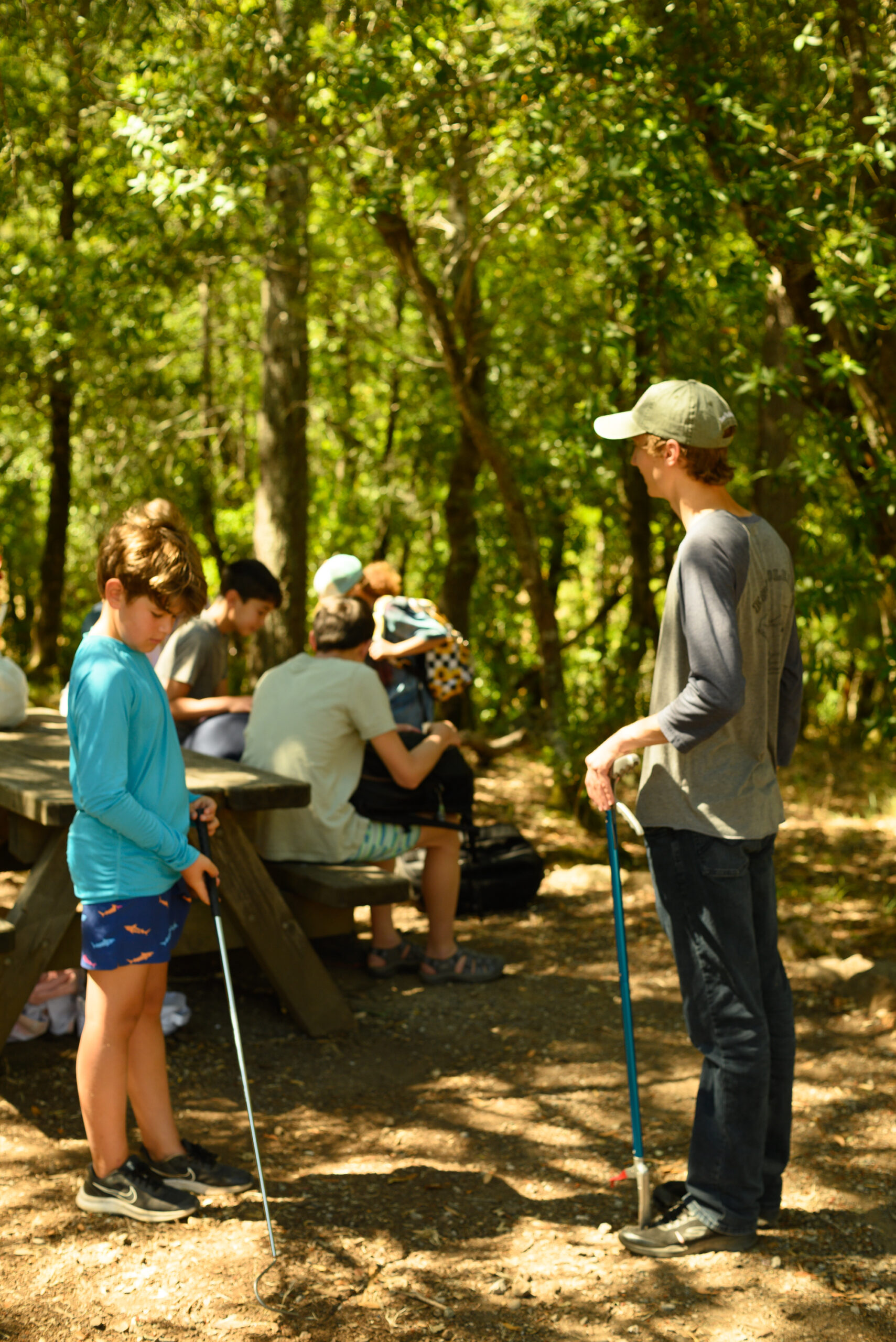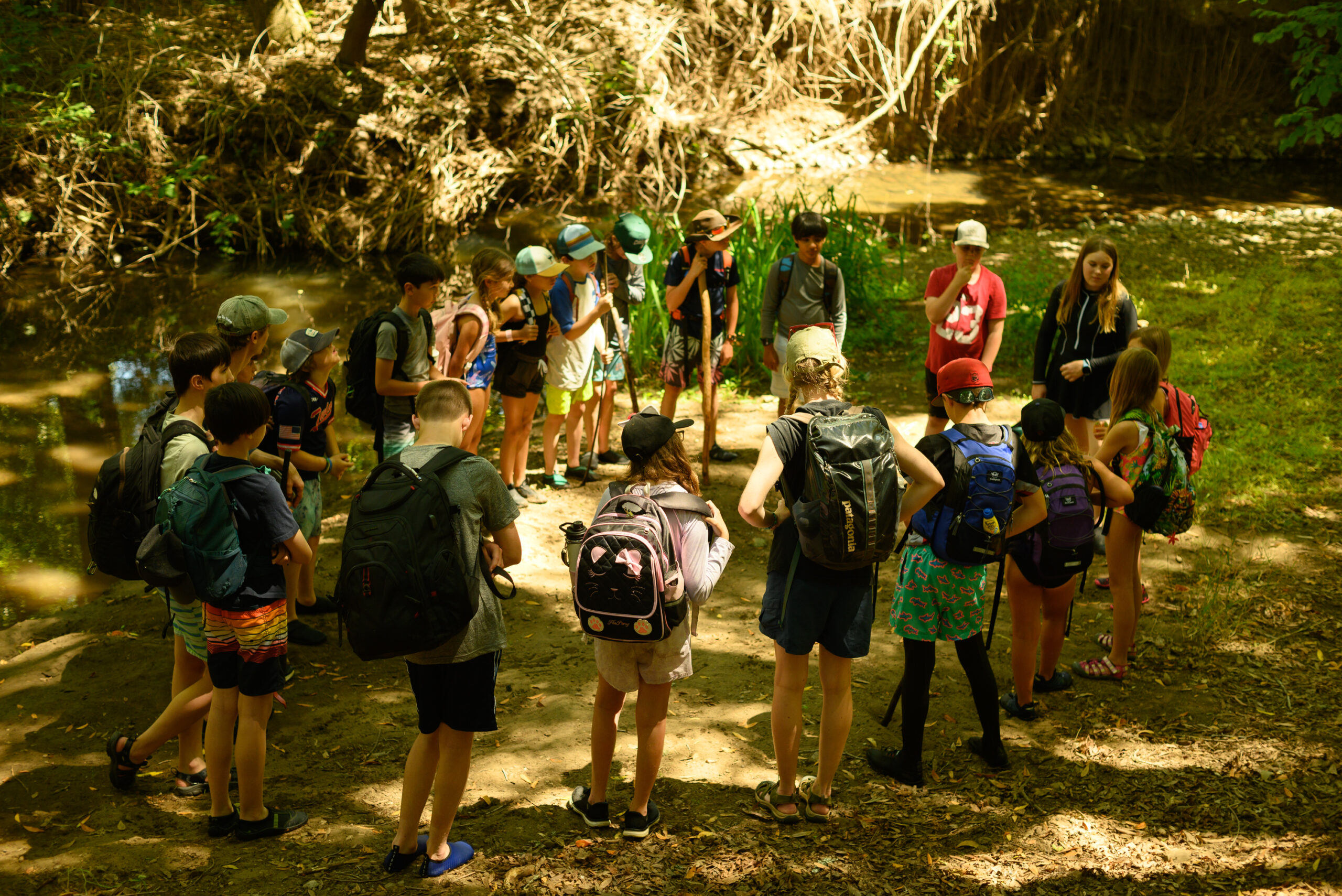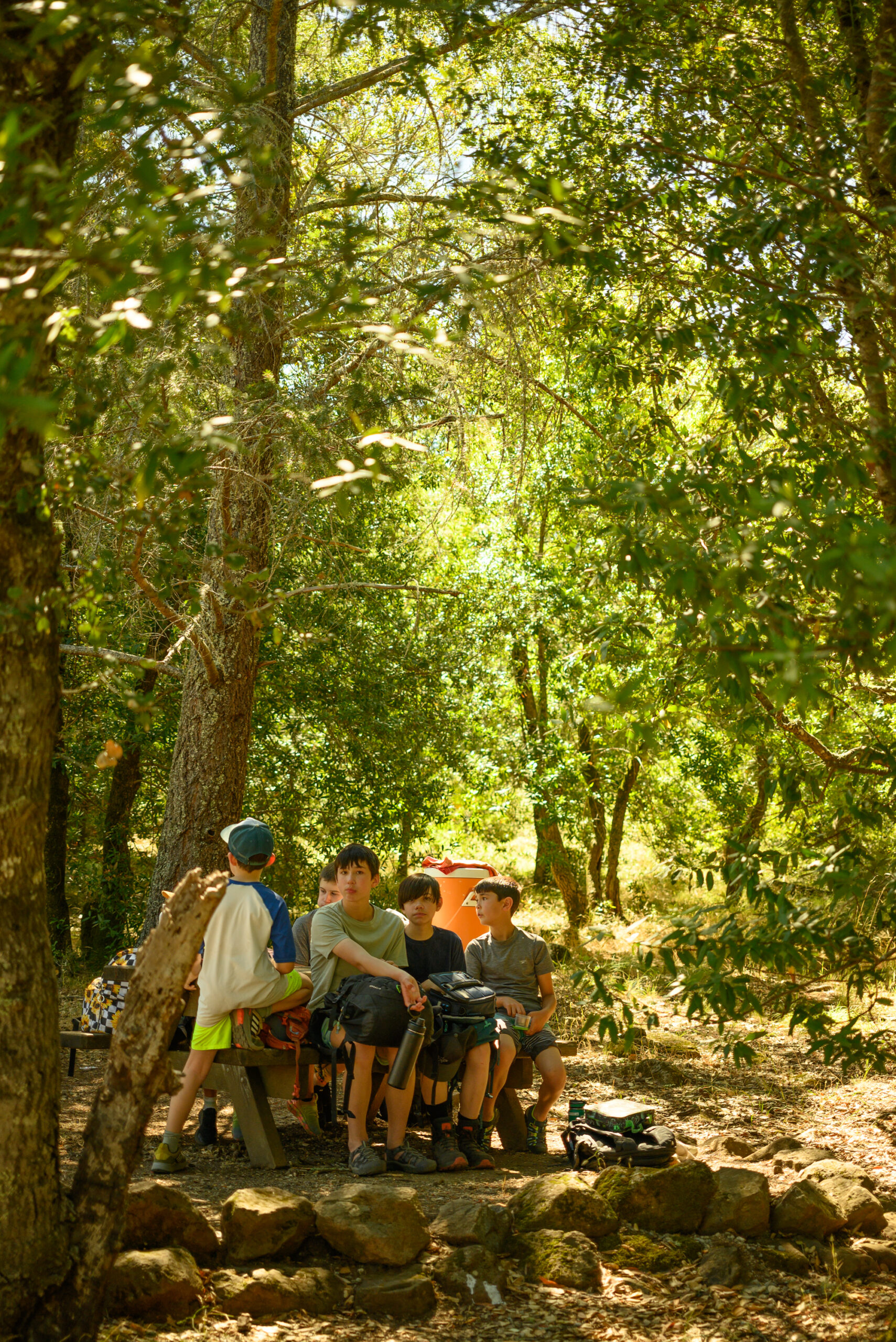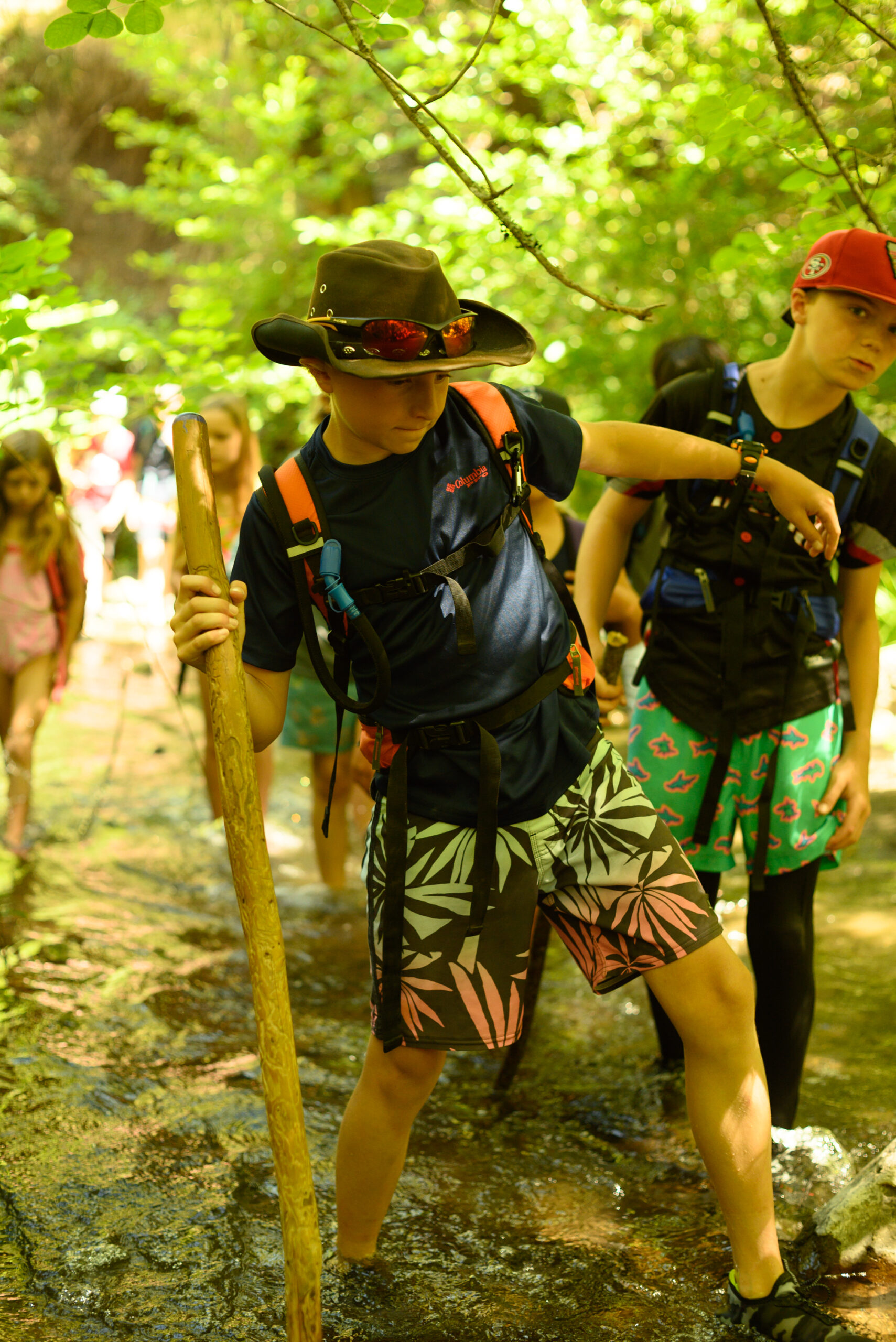
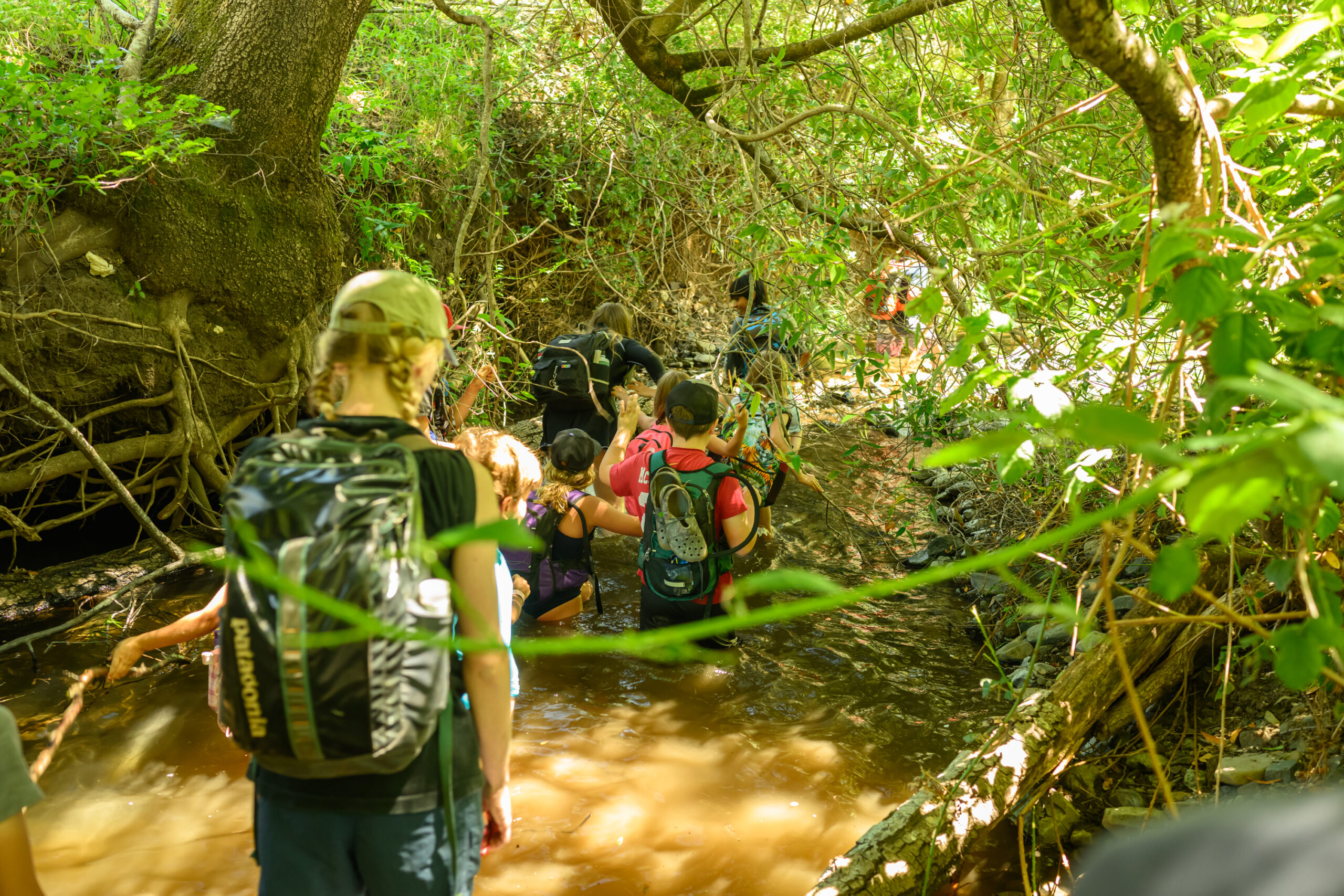
At Sonoma Ecology Center’s Summer Science Camps, mentorship doesn’t just happen—it thrives amidst storytelling, creek explorations, and STEAM projects like making sundials and nature journaling. With campers spanning four to five years in age (6–11 at Garden Camp, 8–12 at Creek Camp), friendships often bridge grade levels and peer groups, creating a ripple effect of curiosity and leadership. Younger campers rise to the occasion, inspired by the example of their older peers, while the older ones are called to set a positive example for the watchful eyes of little ones.
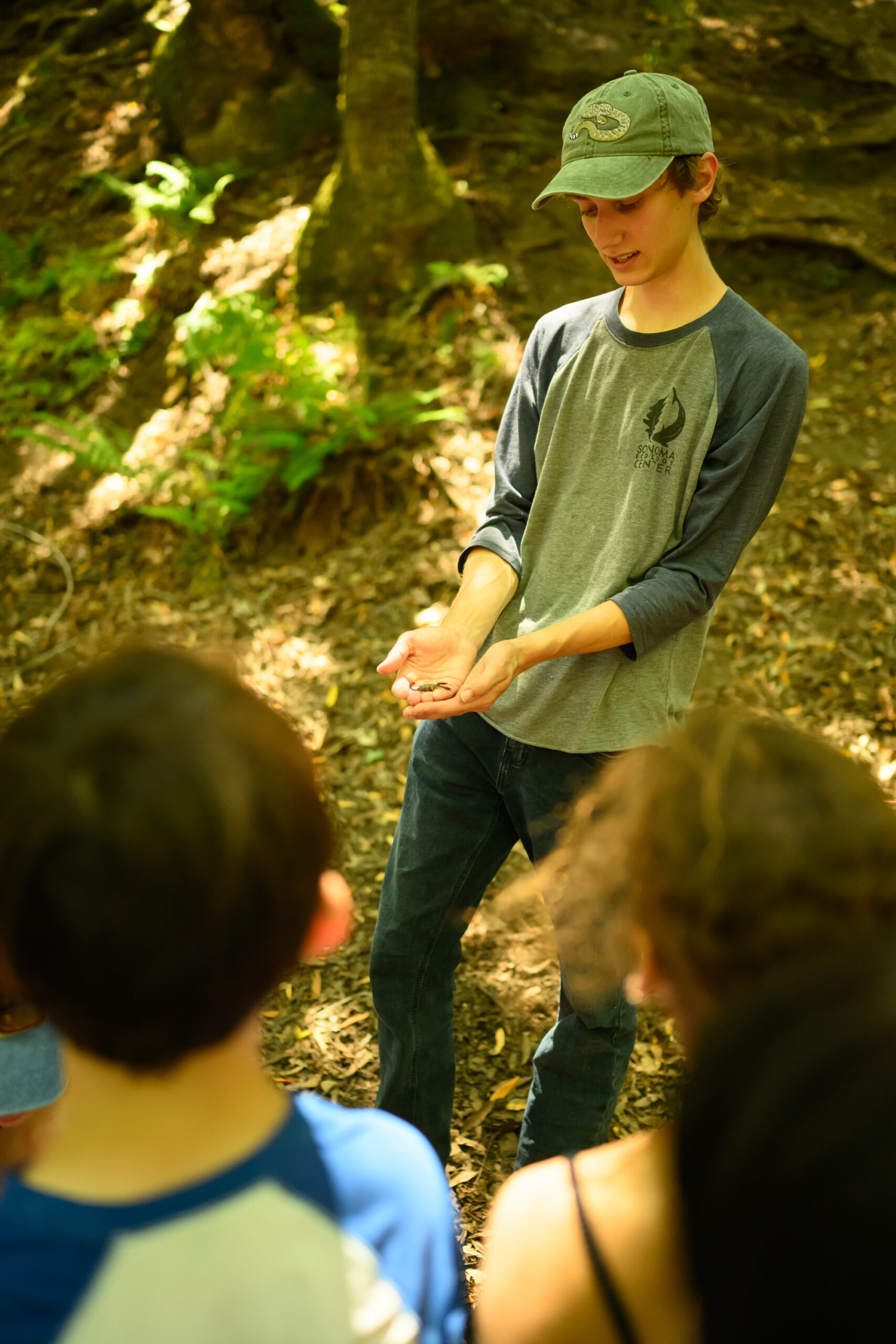
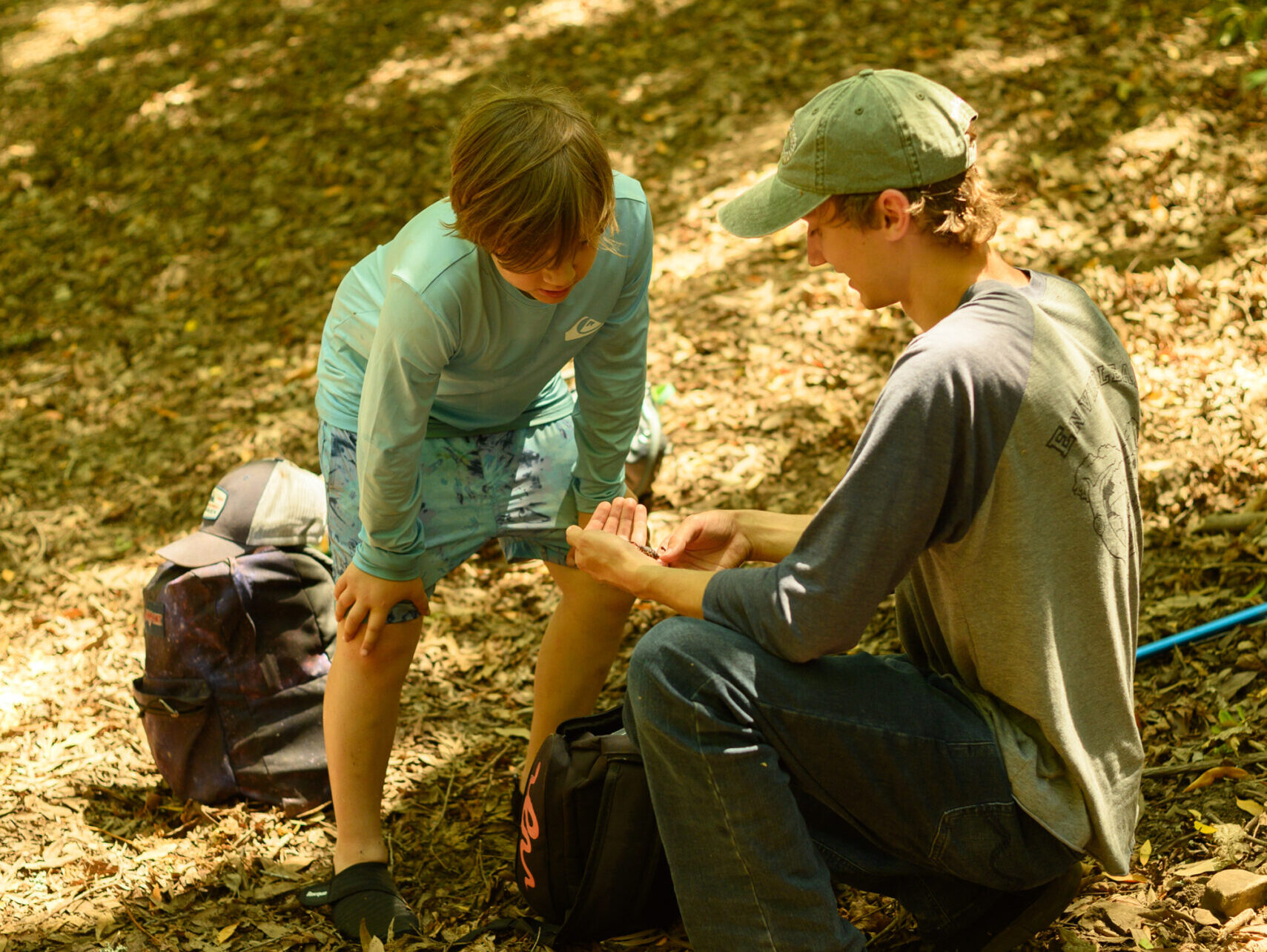
This summer, that spirit of mentorship was front and center. Former camper and EnviroLeader Galen Freed-Wilhelm returned to share his deep knowledge of reptiles and snakes, captivating children at both Creek and Garden Camps. Alongside him were three Junior Counselors, Summer Science Camp alumni eager to grow their leadership skills and share their unique special interests with younger campers. Nicholas, for example, brought his keen knowledge of macroinvertibrates to camp and could often be found hunched over a clear container of creek water, helping campers identify insects, mollusks, and arthropods, indulging their curiosity and practicing his skills as a budding educator at the same time.
Each child’s pathway to nature looks different—but it’s important that we guide them to it and support them on their journey. Whether sparked by a Watershed Education lesson in a Sonoma Valley classroom, a week of outdoor exploration at Summer Science Camps, or a semester in our EnviroLeaders program, it’s often one small introduction to the outdoors that plants the seed for a lifetime of environmental stewardship—and the leaders we’ll need for the generations to come.
Read our full interview with the multi-hyphenate Galen Freed-Wilhelm below—former Summer Science Camper, EnviroLeaders alumnus, Reptile Educator, and Environmental Steward. Sonoma Valley’s youth are lucky to have Freed-Wilhelm as a mentor, and we’re proud of the many ways that he carries Sonoma Ecology Center’s legacy forward.
Whether sparked by a Watershed Education lesson in a Sonoma Valley classroom, a week of outdoor exploration at Summer Science Camps, or a semester in our EnviroLeaders program, it’s often one small introduction to the outdoors that plants the seed for a lifetime of environmental stewardship—and the leaders we’ll need for the generations to come.
You’ve followed your specialized interest in reptiles and are forging a career path as a Reptile Educator. What is your advice for younger people who are looking to dive deeper into a similar subject?
My advice would be to try and learn everything you can about your interests. I learned a lot of what I know from watching good YouTube channels. You’ve got to be sure to watch good YouTube channels—there are a lot of YouTube channels that have sensationalism and misinformation. I also spent most of my life observing the natural world. I would often spend hours each day watching the plants, bugs, and other animals.
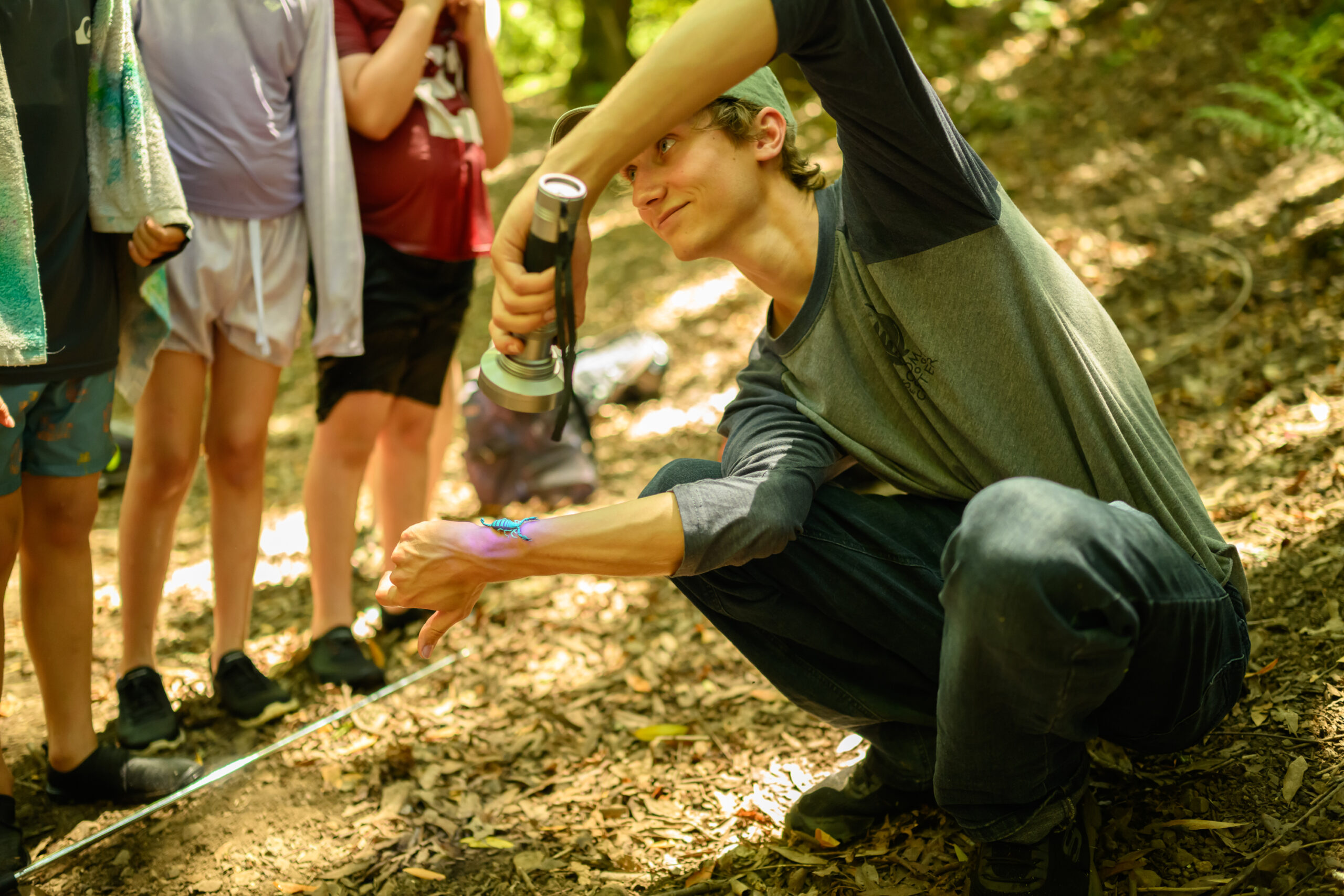
A lot of what I know about scorpions, for example, is really hard to find good information about online, like on YouTube and Google so I have to do a lot of Google searches and combine that with my own experience working with the animals.
What does being a good steward of the earth mean to you?
I think education is very important. When I go out to events to teach people about animals, I think it’s important to teach people to love and respect these animals.
A lot of people don’t really understand much about animals, especially animals that people often find scary, like snakes and scorpions and spiders, and I think it’s important for people to learn about these animals in a way where they can connect with them.
Many people, especially younger generations, feel a sense of overwhelm about the climate crisis and environmental issues. Do you have any advice for tackling that sense of overwhelm?
As far as turning anxiety into action, I think the best we can do is focus on our local communities.
You’ve been a guest educator at a few sessions of Sonoma Ecology Center’s Summer Science Camps now. What has that experience been like for you?
That experience was great. I love teaching the kids about all the animals. I think the summer camps are great for kids to be out in nature and to learn about the plants, animals, ecosystems, and natural history. One of the things I like about teaching the kids is when they ask a lot of good questions and then we can get deeper into understanding about the animals.
The first week in summer camp this year, I found a garter snake to teach the kids about. And then we were walking in the creek and I actually found a rattlesnake coiled up in the creek bed. And what’s cool about that is most of the kids had already passed right by the rattlesnake, not even knowing it was there! This shows how common it is for people to walk right by snakes, including rattlesnakes, and never know they were there. The snakes don’t want to bother you. And if you don’t bother them, they’ll just mind their own business and let you walk right past them.
If you’re interested in learning more about Galen’s offerings as a Snake & Reptile Educator, reach out to him at [email protected].
Explore more photos of Creek Camp below. Photos by Austin Noble.