
Land Services For Hire
Our Restoration Department has more than 25 years of successful experience performing natural resource management projects.
We know how to plan for and accomplish management goals in sensitive habitats with effective, high-quality and affordable methods. Our depth of experience assures quality control on work we carry out, and allows us to incorporate adaptive management techniques that ensure project goals are met in a timely and efficient manner. We utilize smaller crews with technical expertise to maximize budgets and get projects done to a high level of quality.
Our service area focuses on Sonoma Valley and extends to the surrounding regions of Northern California. We have experience working in many of Northern California’s natural habitats, including dunes, coastal scrub, grasslands, chaparral, oak woodlands, mixed evergreen forest, redwood forest, wetlands, and riparian ecosystems. Our project team has the ecological knowledge, as well as specialized equipment and capacity, to carry out all of the requested services.
Capabilities & Services
Full service fish and wildlife habitat restoration for landowners (weed control, erosion control, bank stabilization, native plant installation, irrigation, maintenance)
Native plant restoration
Invasive non-native weed eradication: French broom, Himalayan blackberry, vinca, and English ivy.
Native plant production – specializing in local/ watershed-sourced genotypes (seed collection/storage, propagation, growing/transplanting)
Fish Barrier removal
Stormwater management/low impact design (Erosion control, sediment filtration, etc.)
Storm drain retrofitting (energy dissipater, detention basin, geotextile fabric installation).
Bioengineering (willow revetments, willow mattresses, vegetated swales, etc)
Erosion control (plants, geotextile, biodegradable fabric/ wattles, etc.)
Land management (full service – Habitat restoration and management)
Flood Management
Biochar Demonstrations and Biochar Kiln Burns
We assist owners with lands of all sizes. To schedule a consultation, please fill out the Land Services Request Intake Form and email pictures of your property to restoration@sonomaecologycenter.org.
Meet Our Restoration Team
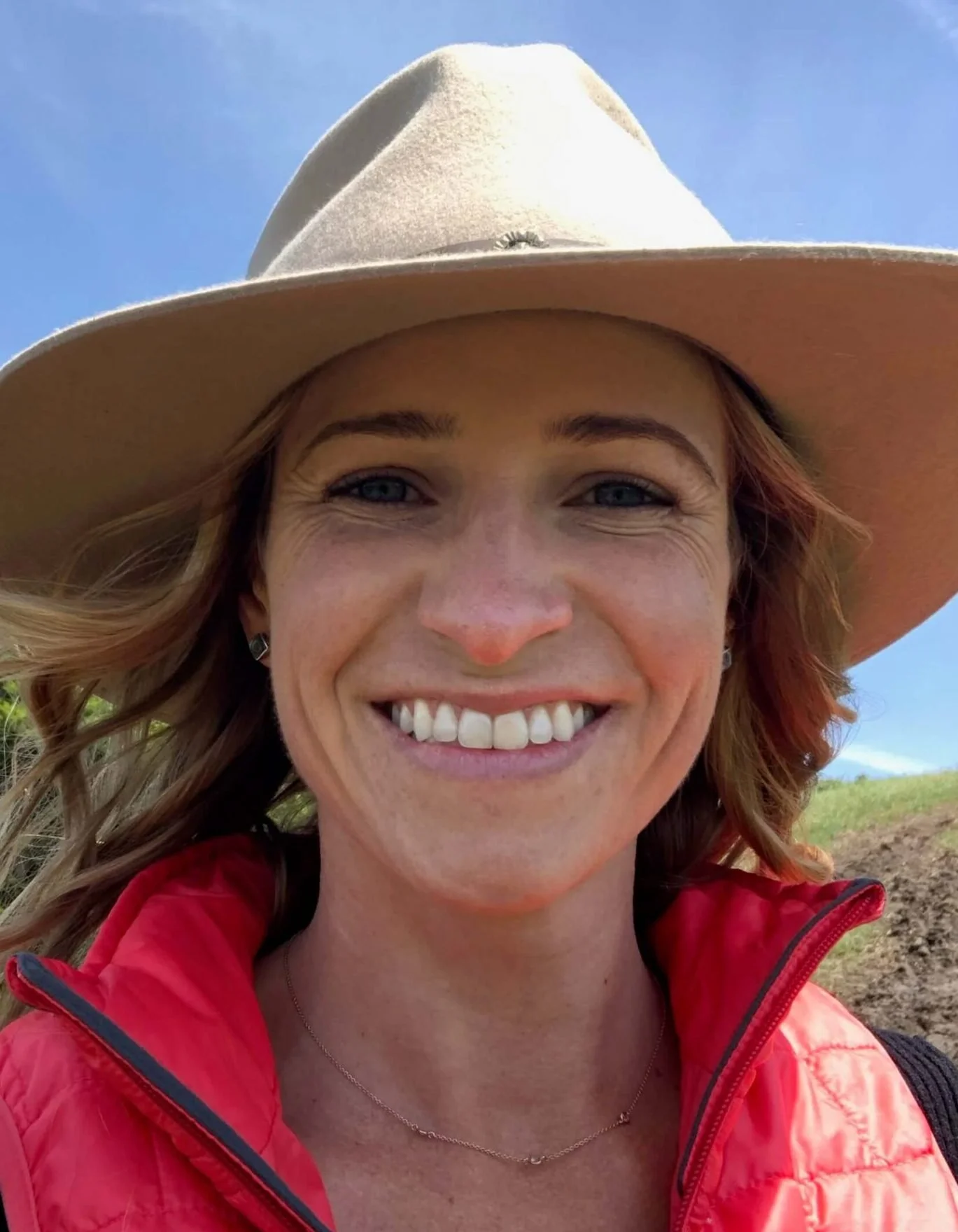
Lauren Claussen,
Restoration Program Manager
-
lauren@sonomaecologycenter.org
Cell: 760.805.3972
-
Lauren graduated from UC Berkeley with a degree in Molecular Environmental Biology, and later attended Oregon State to obtain an MS in Natural Resource Management. She began her career working in marine biology at Scripps Institute of Oceanography, then fell in love with the north coast and moved to Sonoma County. Prior to joining Sonoma Ecology Center, she worked in viticulture and land management throughout Sonoma and Napa counties, and incorporated ecological improvements wherever possible! This experience working in our local agricultural community cemented her desire to collaborate with and help educate local landowners on beneficial ecological practices. Outside of work, she can be found gardening, hiking with her dogs, and biking all over Northern California. She holds a qualified applicator license with the Department of Pesticide Regulation (QAL #137282).
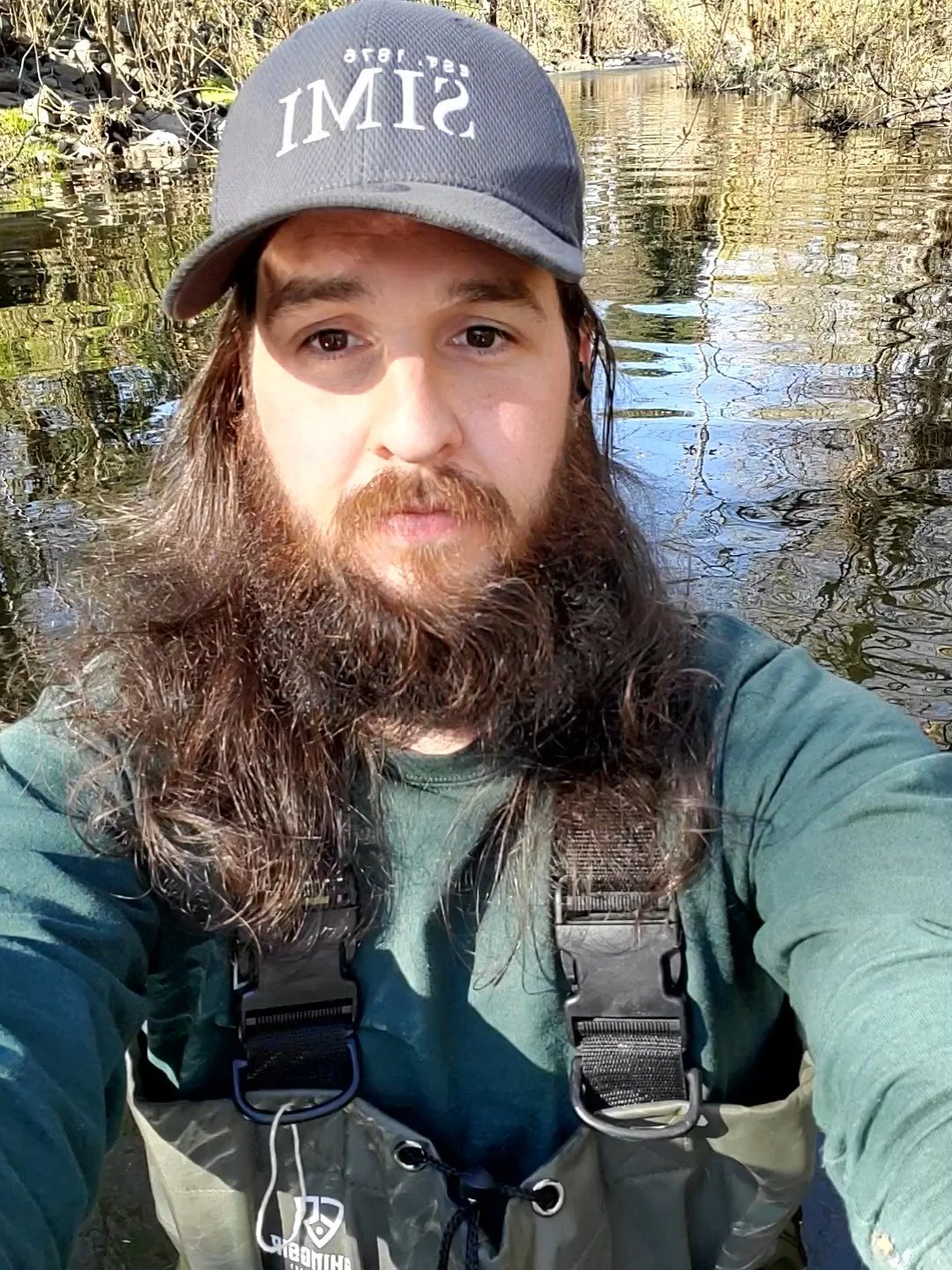
Manuel Hernandez,
Restoration Field Manager + Arborist Credential
-
manuel@sonomaecologycenter.org
Cell: 707.231.7055
-
ISA Certified Arborist ® WE-14183A
Firefighter 2Mr. Hernandez joined SEC in March 2022. He earned a BS in Biology from Sonoma State University while working for Sonoma State’s Center for Environmental Inquiry as a trail steward and docent at Fairfield Osborn Preserve. He earned an M.S. in Biology from Sonoma State in 2020 studying the effects of sudden oak death on the fire severity of the 2017 Nuns Fire. Before coming to SEC he was a Part-time crew leader at Circuit Rider Community Services’ Ecological Program.
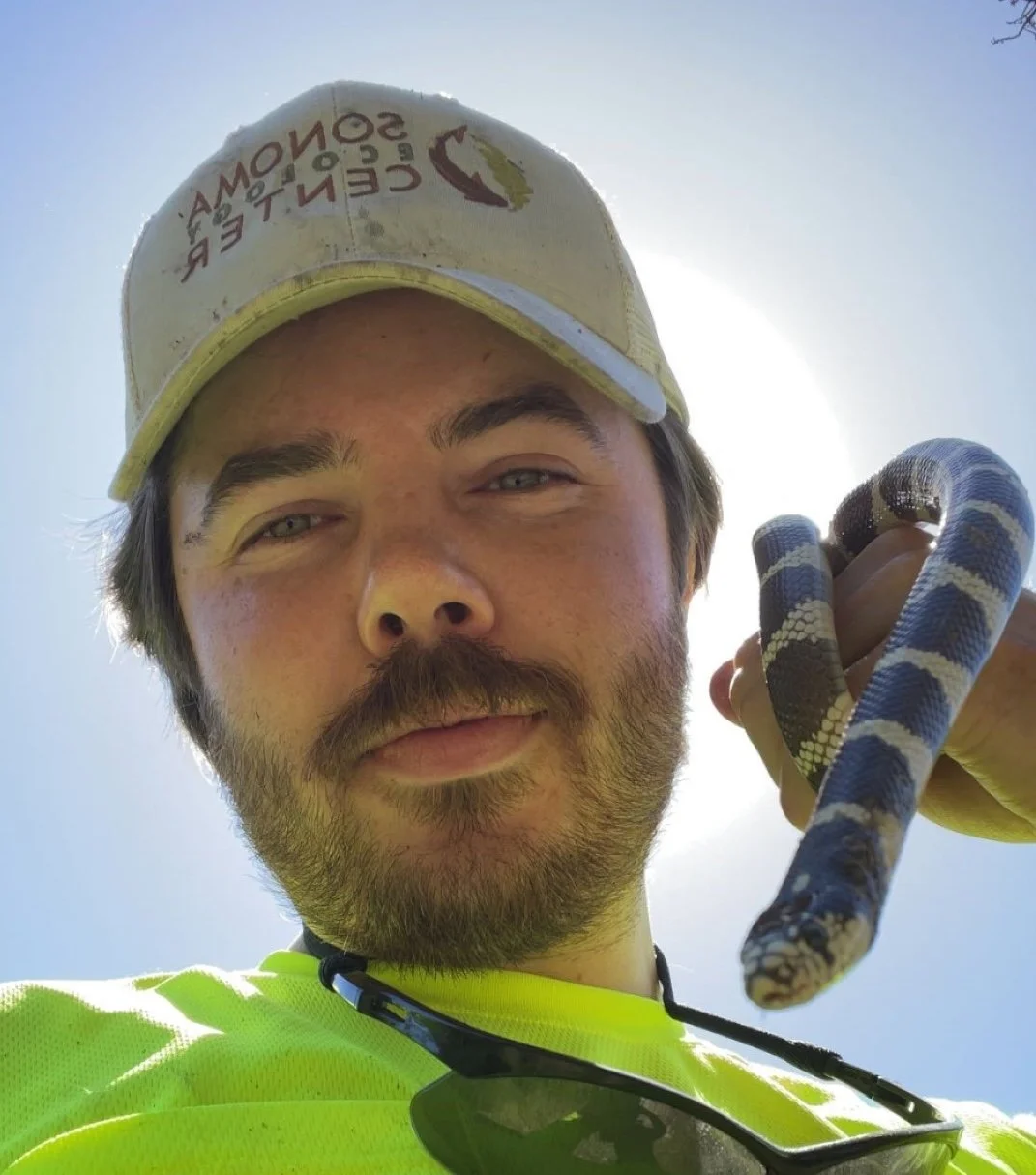
William Read,
Restoration Technician
-
-
William grew up in San Jose, California with a love for nature and the outdoors. He followed this love through classes in geology and geography at West Valley College, and would like to pursue his BS in Geology soon. He has always been interested in work that would allow him to be outdoors and to have a positive environmental impact. After taking a land management internship at the Fairfield Osborn Preserve through Sonoma State University, he fell in love with both the landscape of Sonoma county and the work being done to protect and enhance it. He is certified as a Wildland Firefighter Type 2.
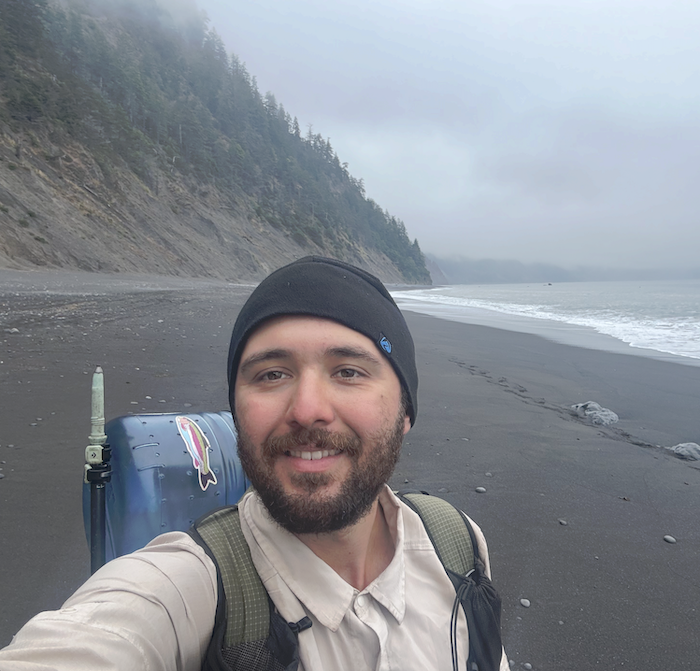
Josh Zupan,
Restoration Technician
-
-
Josh grew up in the Sierra Nevada Foothills of Northern California before moving to the coast to pursue a B.S. in Ecology & Evolutionary Biology and a B.A. in Art at University of California Santa Cruz. Following his undergraduate studies, he received a Post-baccalaureate degree in Scientific Illustration from California State University Monterey Bay while also working seasonally on vegetation and soil surveys in remote sections of California and Nevada. Prior to joining Sonoma Ecology Center, Josh spent a few years as a restoration technician with a particular focus on riparian restoration, water quality, and Low-Tech Process Based Restoration. Outside of work, Josh is an avid backpacker, runner, and certified botany nerd.