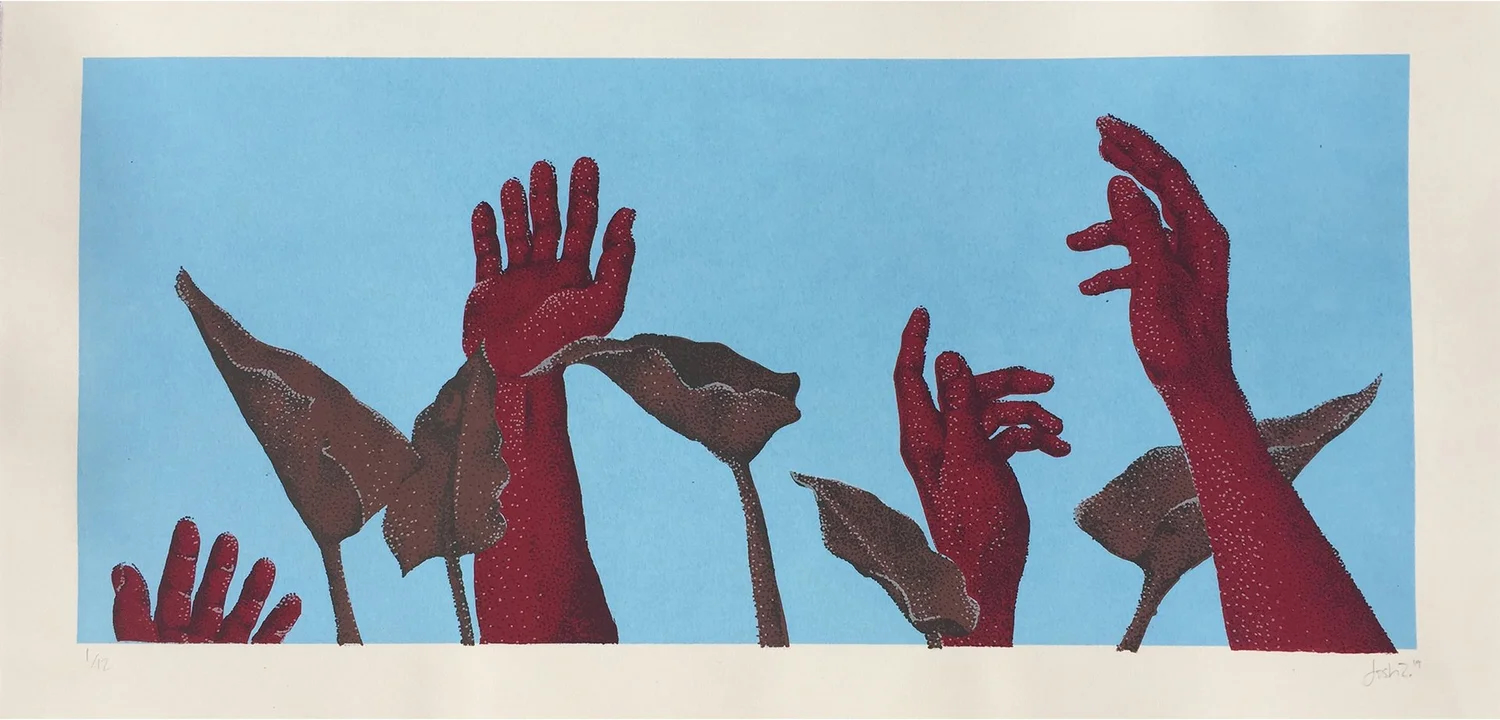
Ecological by Design brings artistic expression and environmental stewardship into conversation, as we speak with artists in our community about how their relationship with nature and their creative practice inform one another. In this installment, printmaker and illustrator Josh Zupan reflects on the importance of fine-tuned observation—a skill honed in the art studio and carried into the field in his restoration work.
I have enjoyed making, mostly 2-D art, since as long as I can remember. Although I don’t think I’ve ever considered myself to be a proper capital-A “Artist“, I’ve always loved drawing as a way to explore and play, in the way that many people naturally do.
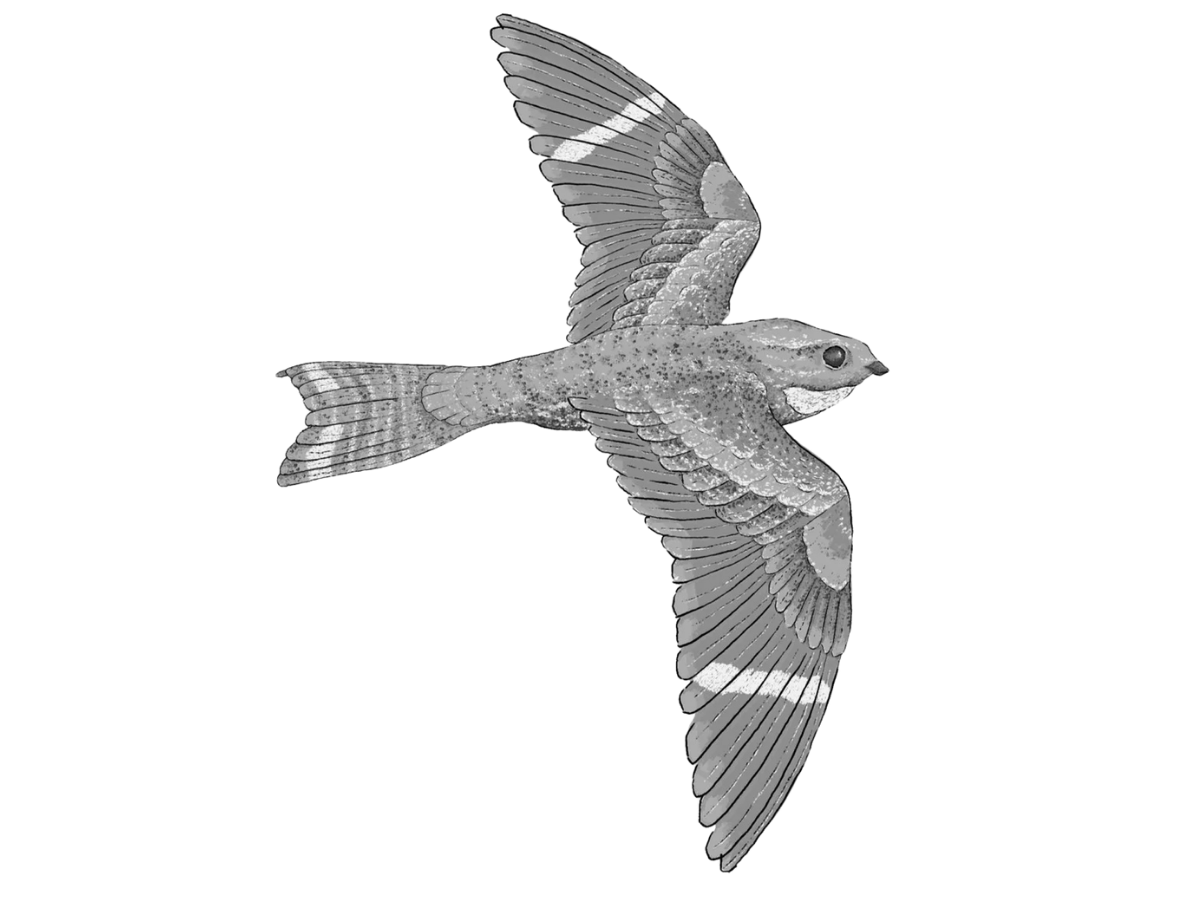
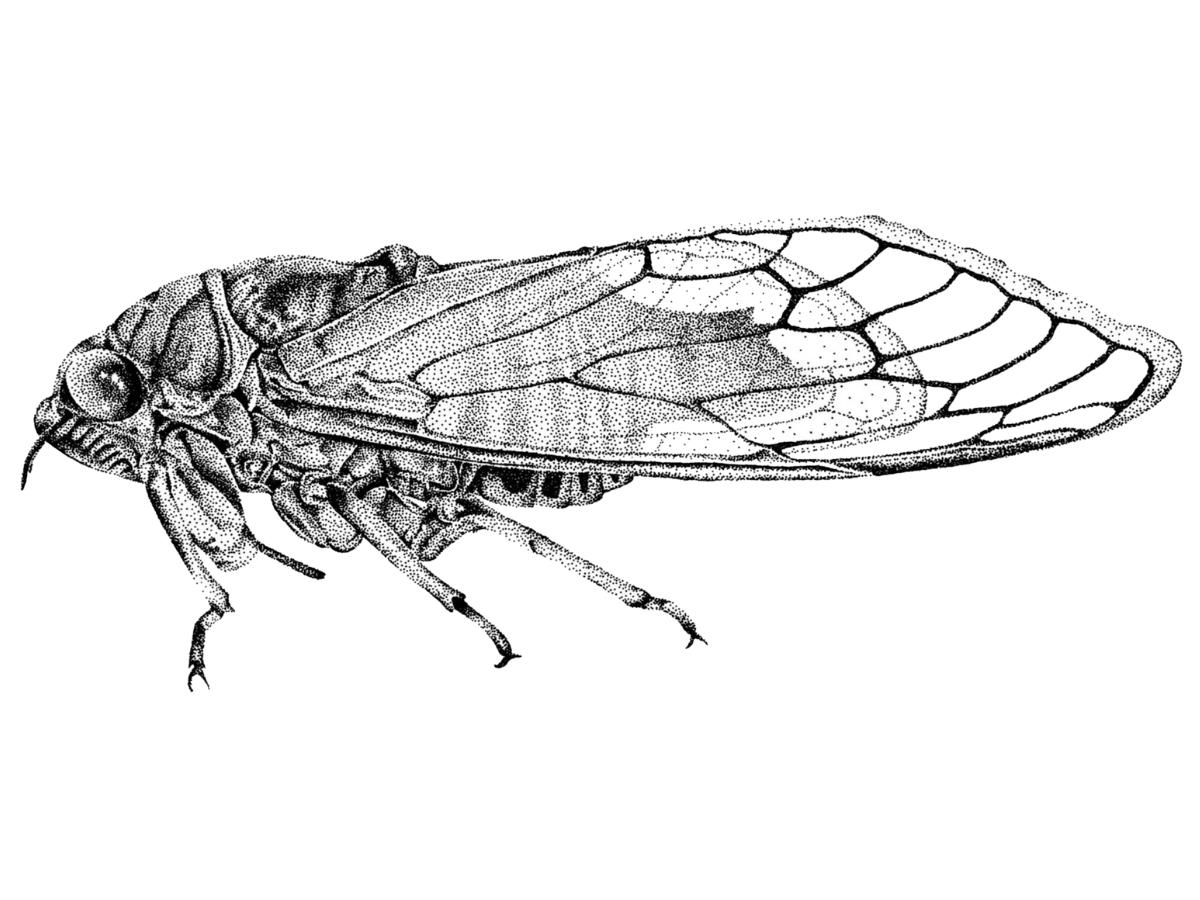
Some of my favorite things to illustrate are insects and plants, particularly those that are native to California. Although I mostly illustrate these days in both digital and traditional media, I used to be big into printmaking and have fallen in and out of love with painting over the years. During my undergrad I studied printmaking along with ecology and then enrolled in CSU Monterey Bay’s Scientific Illustration Graduate program shortly after. That program provided me with tons of useful drawing skills but the foundation for all those skills—and many of the skills we use here on the restoration team—was the simple act of observation.
It feels like an obvious skill which is partly why I think it often gets overlooked. Flexing our abilities to observe the things around us, thoroughly and consistently, is at the core of both making art from nature and stewarding nature.
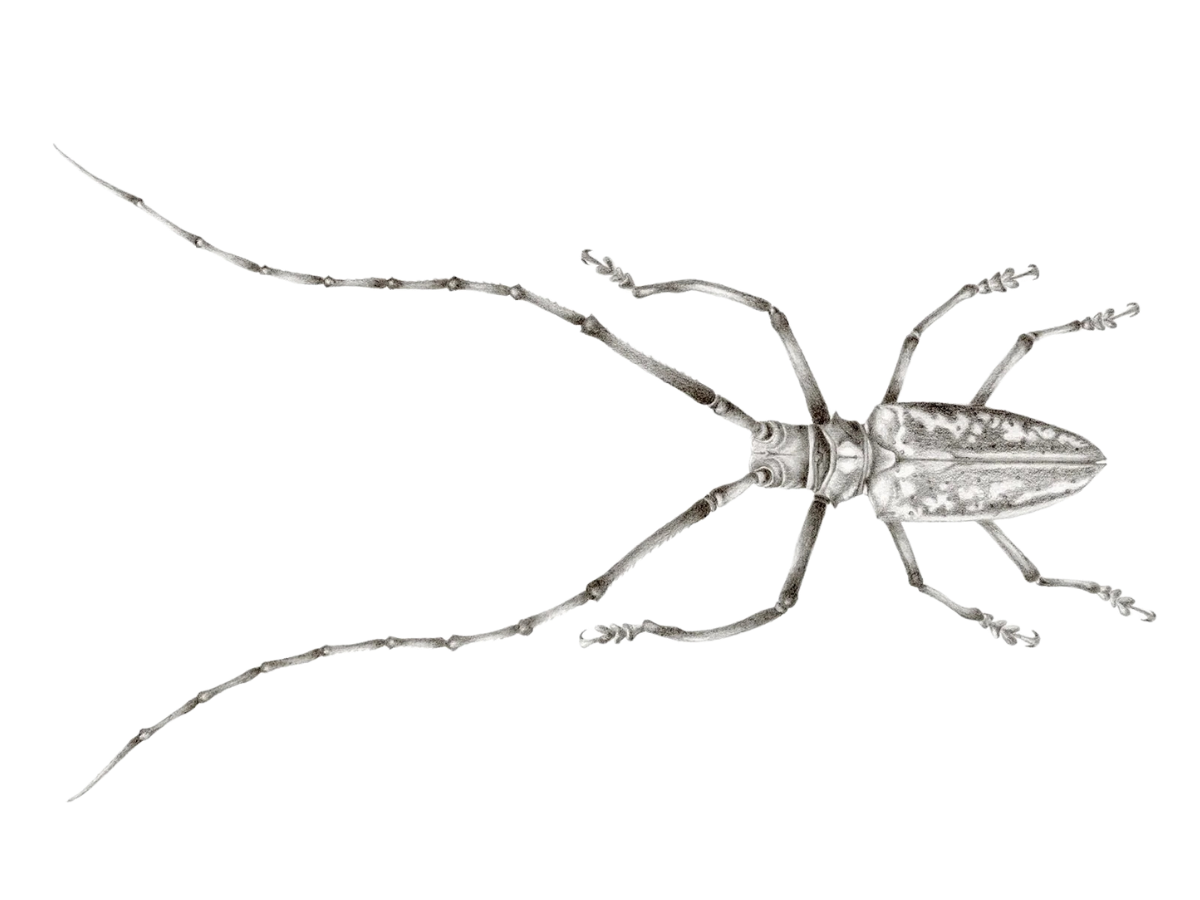
In the same way that I would not have a successful outcome on a restoration project without first taking the time to observe the site, what lives and grows there, how water flows through it, how it has changed over the years, and so on, I might not successfully illustrate a beetle without taking the time to observe it, count the segments of its antennae and legs, learn about its life cycle, and ask questions to experts who know the beetle well. I don’t do all of these things all the time, but rather use observation and listening as guiding philosophies for all that I do. It is a useful practice in art, at work on the Restoration Crew, and in lots of other aspects of life.
Flexing our abilities to observe the things around us, thoroughly and consistently, is at the core of both making art from nature and stewarding nature.
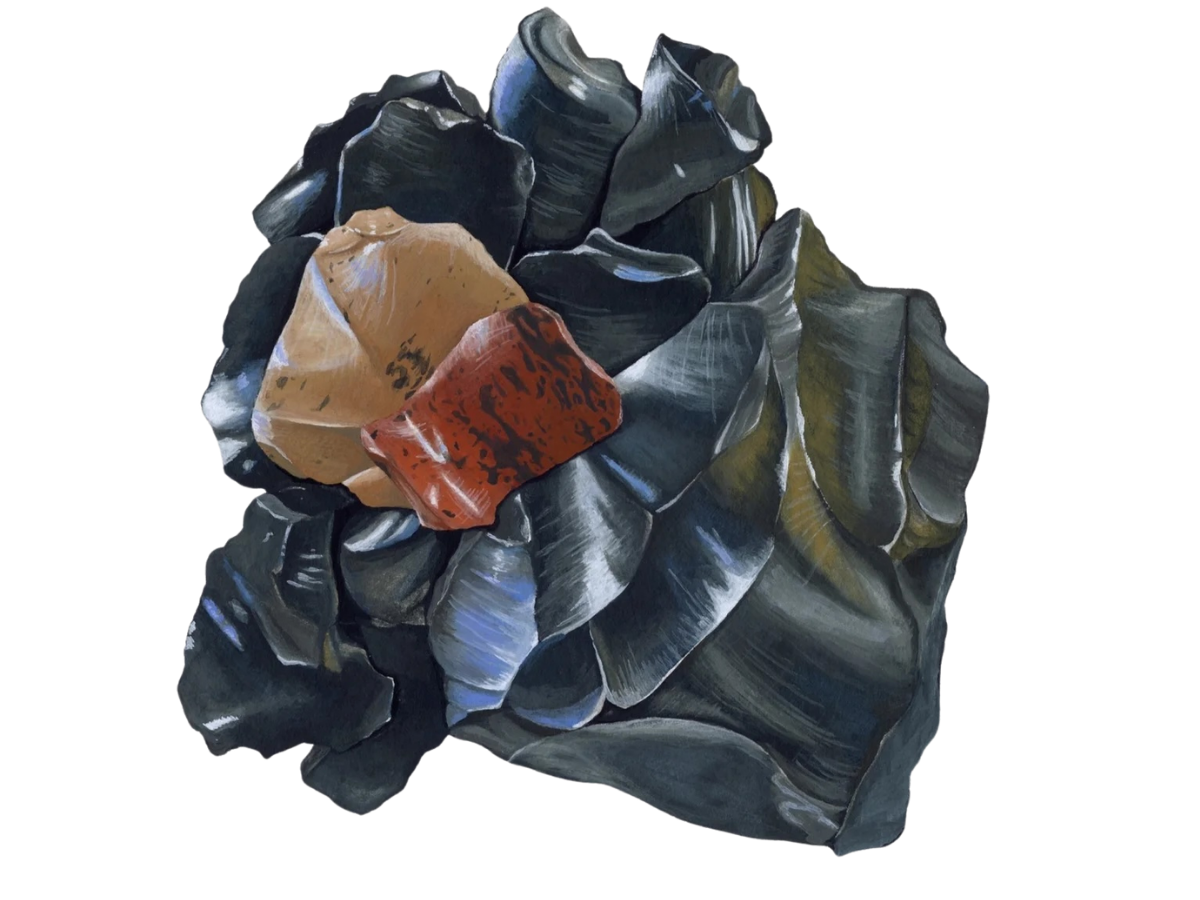
If you are interested in exploring the world of art and nature and how they intersect, I would highly recommend the teachings of nature journalers like John Muir Laws or Amy Tan. The community around nature journaling has grown massively in recent years so there is a plethora of free, online resources and support. Nature journaling stresses the importance of practicing observation, asking questions, and making space for curiosity and wonder to enrich your art and deepen your relationships with the natural world.
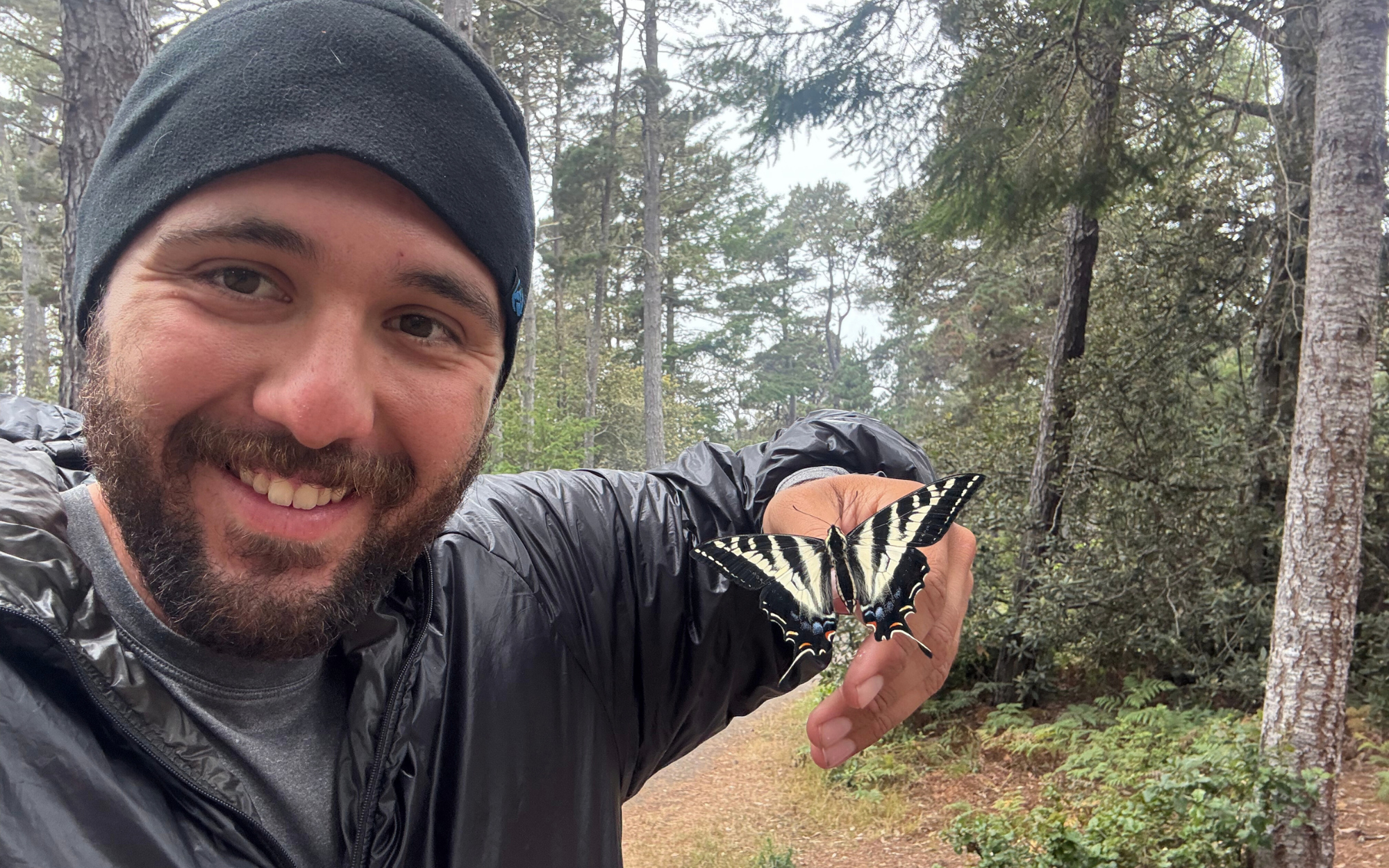
Josh Zupan is a member of Sonoma Ecology Center’s Restoration Crew, which stewards private and public lands throughout Sonoma Valley through multi-benefit, ecologically-informed, and skillfully executed habitat restoration and conservation work. Explore Josh’s portfolio, including an illustrated field guide to California Oak Trees, on his website www.joshuazupan.com
Don’t miss out on new articles on The Ecology Blog—sign up for our newsletter and follow @sonomaecologycenter on Instagram and Facebook