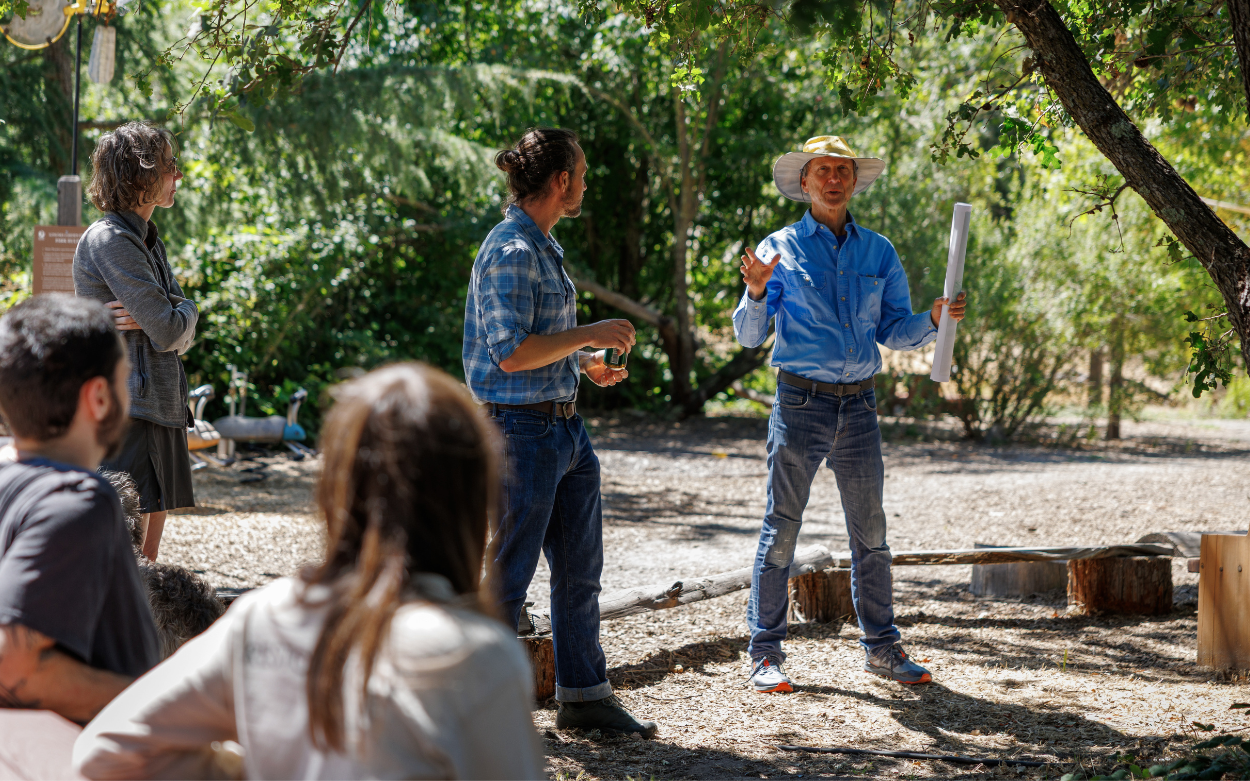
Photo by Eddie Ramirez
If you ask anyone about Richard Dale, Sonoma Ecology Center’s co-founder and executive director, recently named this year’s Sonoma County Climate Crisis Champion by Congressman Mike Thompson, a common thread emerges. Richard’s approach, much like that of a healthy ecosystem, is collaborative and supportive, it unites unlikely allies, and always works toward achieving outcomes that benefit the whole, rather than any one individual.
Over the past four decades, Richard’s positive, consensus-driven leadership has left an indelible mark on both the ecological health and civic culture of Sonoma Valley. Under his guidance, the Ecology Center has grown capacious enough to support a wide range of programs, serving as fertile ground for many of these initiatives to flourish into independent efforts of their own and expand their impact beyond what would have otherwise been possible.
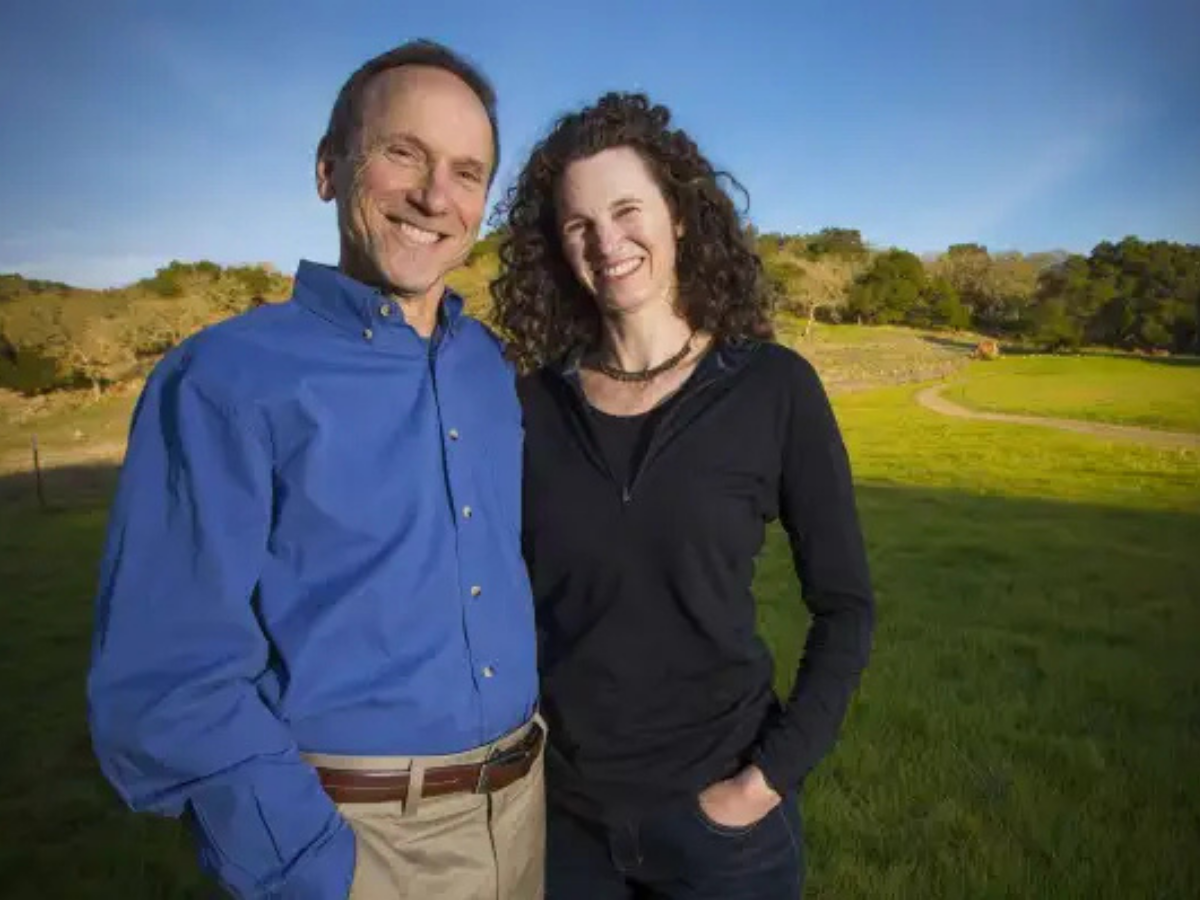
His partner in both work and life, longtime SEC biologist and senior project manager Caitlin Cornwall, notes that Richard’s gift for building common ground can be traced to formative early experiences. While working on his college honors thesis after the election of Ronald Reagan, Richard anticipated sweeping rollbacks to many of the country’s environmental protections.
Motivated to act, he reached out to leaders of major environmental organizations to understand their strategy, only to discover that they had no shared plan for a unified response. This absence of coordination, the huge missed opportunity to rally the entire spectrum of environmental stakeholders, left a lasting impression on Richard and his belief in the importance of collaboration and collective action to effect change.
This same era also brought renewed threats of drilling in the Arctic Refuge. In response, Richard joined a group of deeply committed activists known as the Coalition for the Arctic Refuge, helping to create a powerful multimedia presentation that conveyed what was at stake for the Arctic’s wild lands and the Indigenous groups who depend on it. Traveling the country to present the show, he learned how to connect with audiences of all backgrounds; red, blue, urban and rural. When the presentation concluded and the lights went up, Richard would be alone standing on a stage before a rapt audience whose hearts and minds he had just captured. In those moments he embodied a defining principle of his leadership: when people are inspired to act, the role of a leader is not to absorb that energy, but to return it—empowering others to carry the work forward.
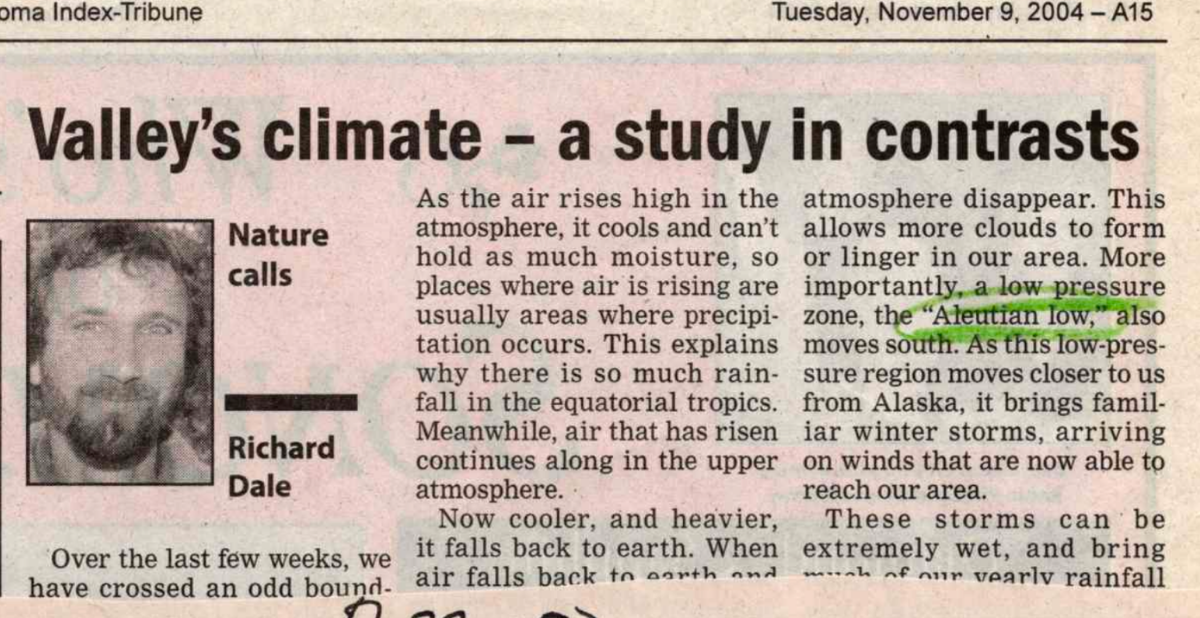
A newspaper clipping of Richard Dale’s column, “Nature Calls” in the Sonoma Index Tribune in November 2004, courtesy of John Donnelly.
These are just two of countless stories that illustrate the values behind Richard’s many contributions to Sonoma Valley. For decades, his work has not only brought people together but also helped them develop a deeper sense of connection to this place. One longtime Sonoma resident recently recalled discovering Richard’s Nature Calls columns in the Sonoma Index-Tribune shortly after moving to the valley in 1998, describing them as “special gifts” that helped his family gain and appreciate the unique “sense of place” they had found here. That same ability to inspire connection was evident in 1990, when the City of Sonoma asked Richard to organize the first big Earth Day celebration—the event that led to the founding of Sonoma Ecology Center. He brought together an unusually diverse coalition: multigenerational farmers, environmentalists, families, health advocates, business owners and educators. Many of them had never previously seen themselves as allies, yet they all shared a commitment to caring for the land and their community.
This spirit has defined Richard’s work ever since; providing behind-the-scenes infrastructure and support that make new partnerships possible, identifying shared interests, and finding solutions that are both fair and lasting. As Caitlin put it, “It’s always been more important to him that things get done, than that he or the Ecology Center get credit for it.”
This philosophy proved instrumental in 2011 when Sugarloaf Ridge State Park was facing imminent closure. The Park was isolated high up on a mountain, it had an extensive campground, a remote trail network, an observatory with its own nonprofit, and Richard knew that no single organization could take on the challenge of running it alone. So he assembled a coalition that could. The resulting Team Sugarloaf, a partnership of originally five nonprofits, took on managing the Park, ensuring continued access to its trails and campsites, and creating a multitude of new educational programs, summer camps, field trips, and community events.
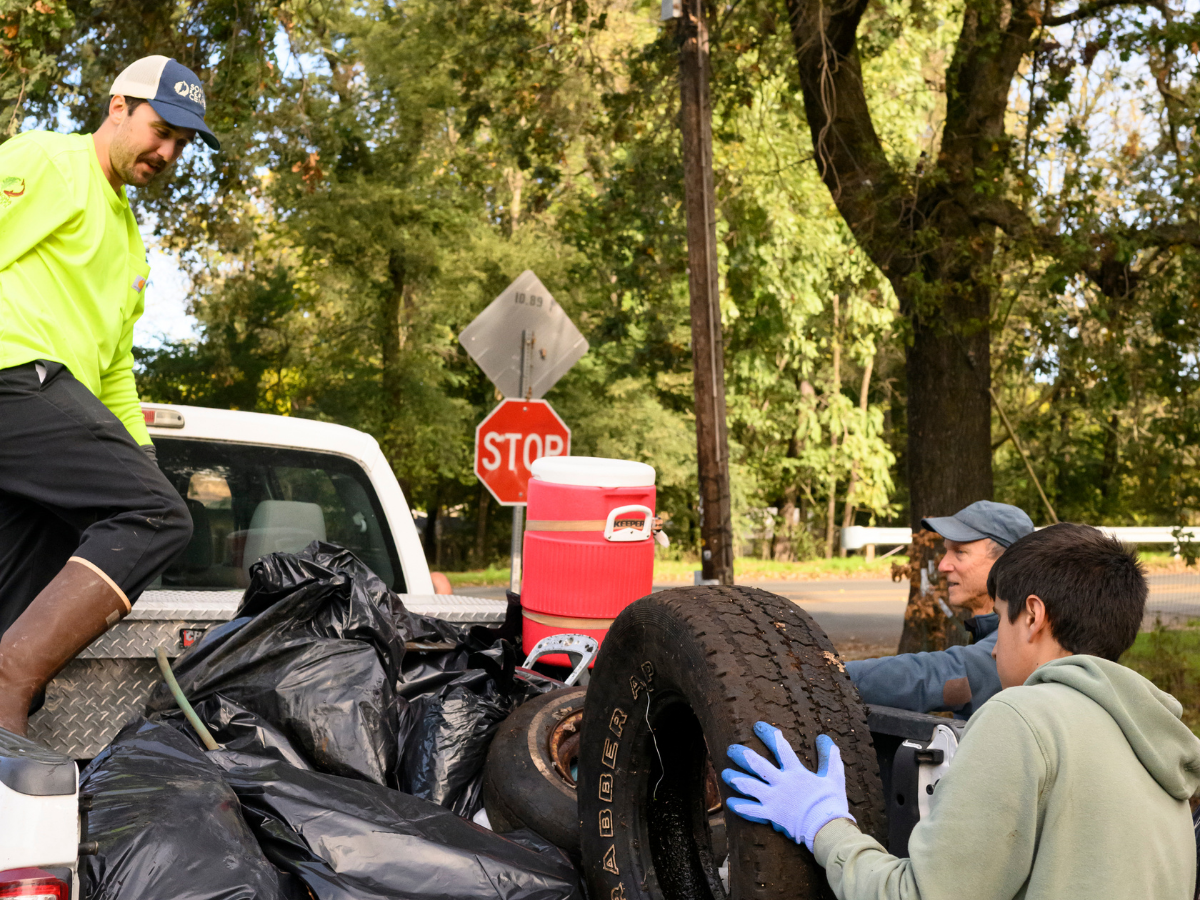
Richard Dale loads up a truck bed with debris at a November 2025 creek cleanup, alongside Sonoma Ecology Center Restoration Technician Josh Zupan (left) and EnviroLeader Sebastian (right). Photo courtesy of Austin Noble.
It’s always been more important to [Richard] that things get done, than that he or the Ecology Center get credit for it.
—Caitlin Cornwall
Sonoma Valley Collaborative is another expression of this ethos. Sparked by years of conversations with residents and leaders across all sectors, it became clear to Richard that people across the valley care deeply about the issues affecting Sonoma’s ecological, economic, and social health, and want to be a part of the solutions. Sonoma Valley Collaborative has created a space for many different community leaders to come together in order to address some of the most pressing challenges our community faces.
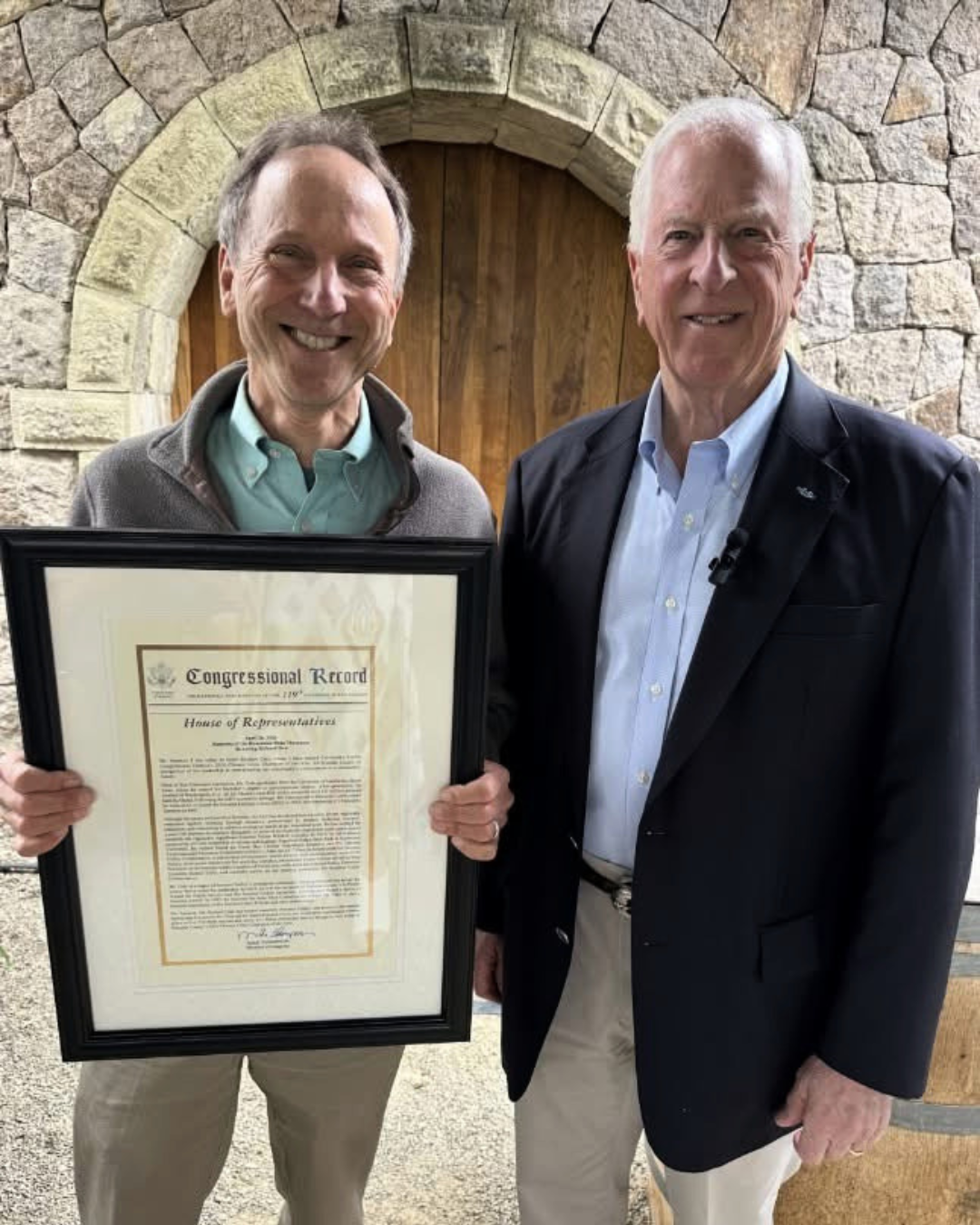
Richard’s recognition as this year’s Climate Crisis Champion reflects a lifetime of environmental work and it honors a way of leading that prioritizes connection over credit, cooperation over division, and integration over focus. In a time defined by increasingly complex challenges, his example offers a reminder that lasting solutions are rarely built alone. They take root when people come together, find common ground, and commit collectively to the well-being of the place we all call home. Congratulations Richard!