
Sonoma Ecology Center Land Services
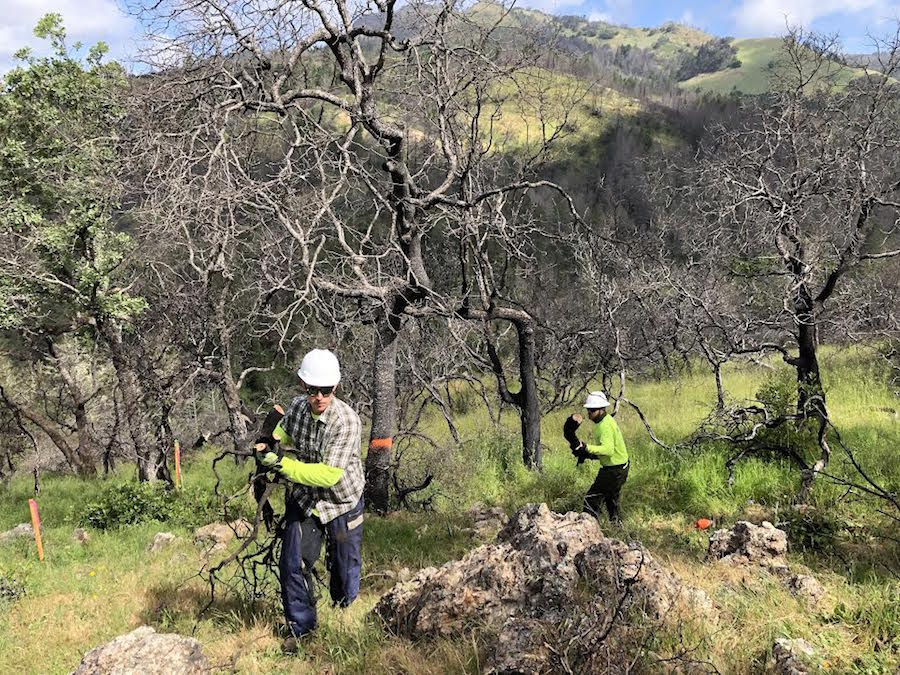
Our Restoration Team employs best management practices to protect habitat, water quality, and biodiversity. We assist owners with lands of all sizes. To schedule a consultation, please fill out the Land Service Request Intake Form and email pictures of your property to [email protected].
Video by Conor Hagen
“Sonoma Ecology Center brings a host of services and resources that can help people, the public, in managing their landscapes and providing perhaps protections for the community at large. I thank the Sonoma Ecology Center for maintaining the beautiful Valley that we live in.”
—Ted Bucklin, Family Member, Van Hoosear Wildflower Preserve
LAND SERVICES
Fire Resilience
- Ecologically informed fire fuels treatment and responsible biomass disposal
- Fire-ready, wildlife-friendly landscapes in the 100-foot defensible space
- Post-fire erosion control
Invasive Plant Control
- Invasive species management using manual removal and integrated pest management approach
- Prescribed fire management
Erosion Control and Stream Work
- Erosion control: regrading, wattle installation, coco coir, jute net biodegradable fabrics
- Streambank and streambed stabilization and restoration
- Permitting
- Any of these treatments can be paired with native species planting
Native Plant Propagation
- Native nursery with 60,000 plant capacity growing 80+ native species
- Registered with CDFA Nursery Stock Registration and Certification Program
- Plant sizes from 4”-6” plugs, tree bands, D40, D60, 1 gallon, tree pots, to 5 gallon pots
- Watershed-specific propagule collection
Revegetation and Ecological Restoration in a wide variety of ecological communities
- Biological site assessments
- Site planning, design, and permitting
- Site preparation
- Planting and plant protection
- Irrigation design and installation
- Project maintenance and monitoring
Service Costs
- $2000-$4000 per day for 4-5 person crew, depending on slope, complexity, access, etc
- Contact us for custom project costs
Please reach out to us at [email protected] or (707) 996-0712.
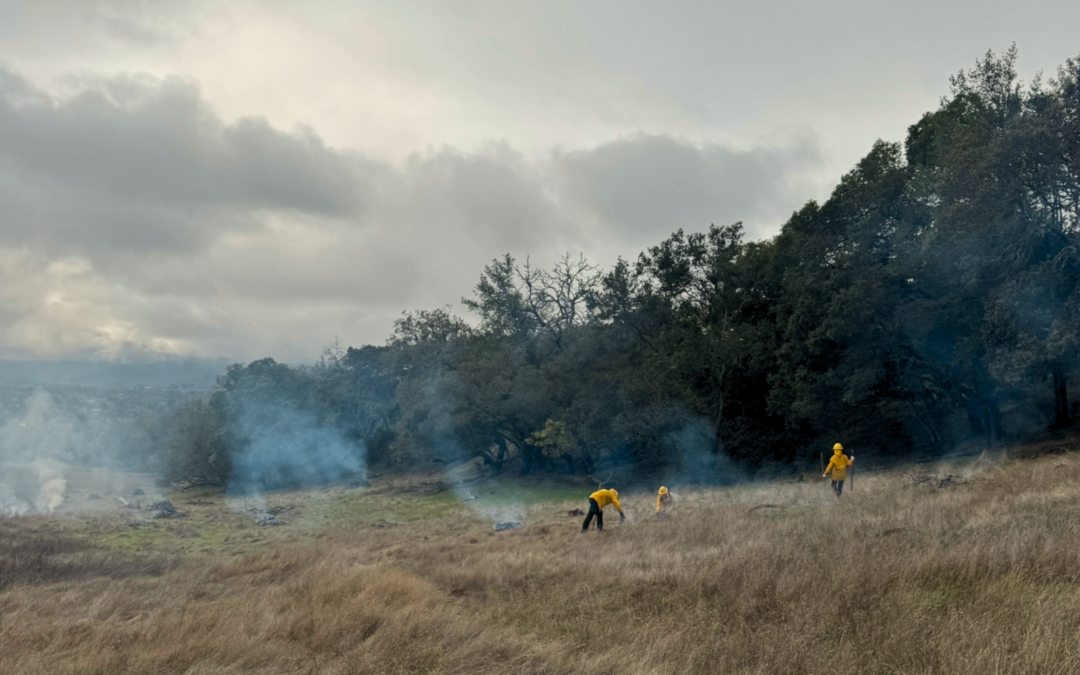
Living With Fire in Sonoma Valley: Clearing the Way for Good Fire
Photo by Amanda Hubbard In Living With Fire in Sonoma Valley, we delve deeper into what the reality of longer, drier seasons and volatile fire weather means for ecological stewardship in the Valley. Told through the lens of Sonoma Ecology Center staff working in the fields of restoration, research, and environmental planning, we'll explore how a multi-benefit approach—from prescribed burns to habitat restoration—helps our landscapes and communities live with fire. Read the first installment here. For Sonoma Ecology Center’s restoration team, fire resilience is built into all of the fieldwork and research they do year round. “We are always thinking about proactive land stewardship–what we can do to keep forests and natural systems around us healthy and functioning,” says Restoration Program Manager, Lauren Claussen. That mindset is grounded in the understanding that healthier ecosystems are more resilient to fire and better able to protect their surrounding communities from the most...

Ecological by Design: Practicing “The Simple Act of Observation” with Restoration Team Member Josh Zupan
Screenprint, 2019, by Josh Zupan Ecological by Design brings artistic expression and environmental stewardship into conversation, as we speak with artists in our community about how their relationship with nature and their creative practice inform one another. In this installment, printmaker and illustrator Josh Zupan reflects on the importance of fine-tuned observation—a skill honed in the art studio and carried into the field in his restoration work. I have enjoyed making, mostly 2-D art, since as long as I can remember. Although I don't think I've ever considered myself to be a proper capital-A "Artist", I've always loved drawing as a way to explore and play, in the way that many people naturally do.Some of my favorite things to illustrate are insects and plants, particularly those that are native to California. Although I mostly illustrate these days in both digital and traditional media, I used to be big into printmaking and have fallen in and out of love with painting over the...
Meet Josh Zupan, Sonoma Ecology Center’s New Restoration Technician
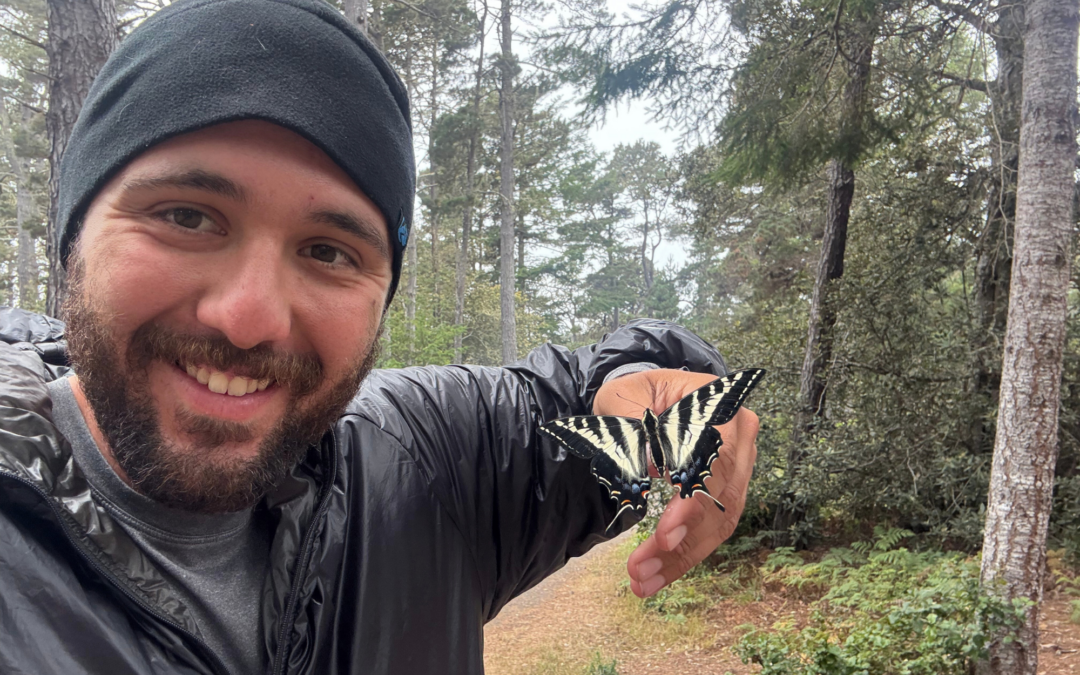
Josh Zupan joined Sonoma Ecology Center as a Restoration Technician in November, 2025. Sonoma Ecology Center is excited to welcome Restoration Technician Josh Zupan! Hailing from the Sierra Foothills by way of Nevada City, Josh brings both a strong field background and a genuine curiosity about California’s vast ecological diversity to SEC's Restoration Team. New to Sonoma Valley, he’s excited to learn about the land by engaging with it directly—doing hands-on restoration work in our creeks and open spaces, observing change over time, and exploring on foot. New to Sonoma Valley, he’s excited to learn about the land by engaging with it directly—doing hands-on restoration work in our creeks and open spaces, observing change over time, and exploring on foot. Whether through ecological stewardship or his detailed scientific illustrations, Josh approaches nature with an attentive eye and a deep appreciation for seeing and understanding our home up close.I’m Josh! I’ve been working at SEC...
Wildfire Risks Along North Bay Creeks
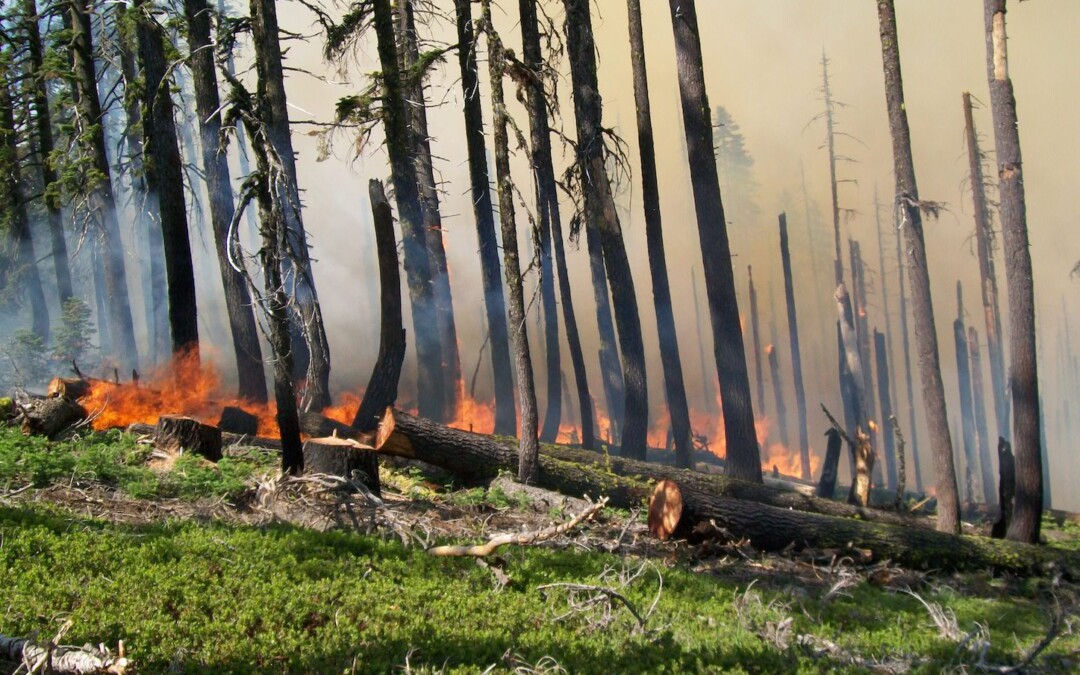
Creeks in some settings act as barriers to wildfires, with flowing water, moist soils, and shady groves of trees. However, riparian (creekside) vegetation can also provide an avenue for rapid spread of fires owing to dense vegetation, infestations of invasive flammable shrubs and trees, and accumulations of dead wood resulting from years of drought and disease.Map of recent wildfires in the Sonoma Valley area.In the Sonoma Valley and surrounding areas, large wildfires swept over mountains and through forests, vineyards, and neighborhoods in 2017 and 2020. The fires swept across and along riparian corridors. Even streams as large as the Napa River and Sonoma Creek were ineffective in slowing the wind-driven fires. In cultivated and residential areas, the thick vegetation along streams provides routes for fires to spread. Riparian corridors following wildfires have reduced canopy cover, less shade, higher water temperatures, and large concentrations of dead and down and dead standing...