
Living With Fire in Sonoma Valley: Building Resilient and Fire Wise Landscapes
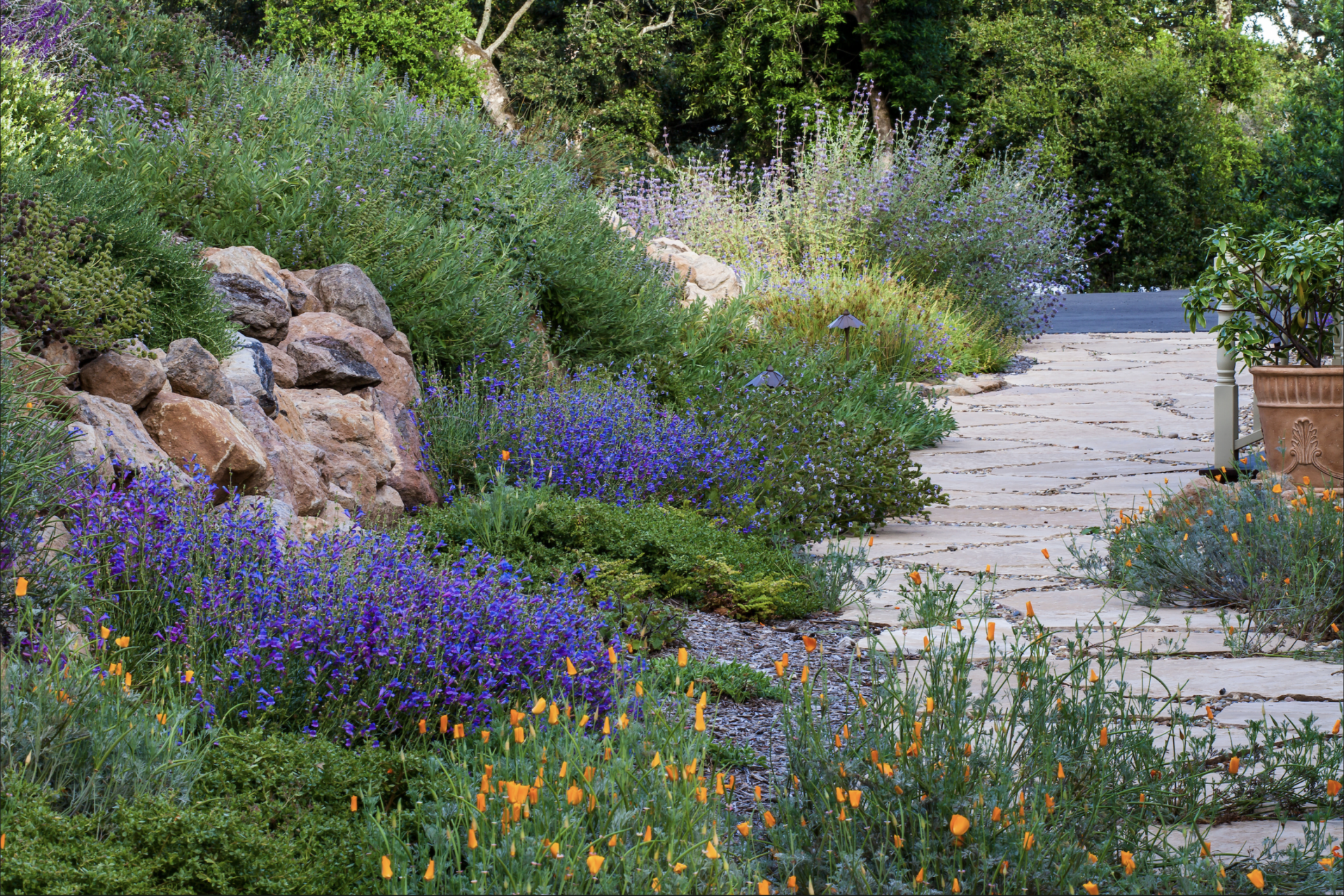
Photo courtesy of Resilient Landscapes Coalition
In Living With Fire in Sonoma Valley, we delve deeper into what the reality of longer, drier seasons and volatile fire weather means for ecological stewardship in the Valley. Told through the lens of Sonoma Ecology Center staff working in the fields of restoration, research, and environmental planning, we’ll explore how a multi-benefit approach—from prescribed burns to habitat restoration—helps our landscapes and communities live with fire. Read the last installment here.

As we watch news of large scale fires breaking out across much of the west, Canada and Europe, it is easy to feel that as individuals there is little we can do to reduce fire risk in our communities, let alone beyond them. But two local programs, Climate Resilient Neighborhoods and the Resilient Landscapes Coalition, are demonstrating how small changes on both an individual and community level, can help shape the health of an entire ecosystem—boosting fire resilience while making neighborhoods more beautiful, drought-tolerant, and supportive of native habitat.
Climate Resilient Neighborhoods (CRN), which is funded in part through an EPA grant collaboration with La Luz, an indispensable non-profit supporting Latino individuals and families in Sonoma Valley, brings climate resilience improvements to interested houses in The Springs. Overseen by Faith Shortridge and Rachael Bean at Sonoma Ecology Center, Climate Resilient Neighborhoods provides free landscaping services to households in Agua Caliente, Boyes Hot Springs, Fetters Hot Springs, and El Verano, with a focus on defensible space and climate resiliency.
“A resilient landscape supports native animals and pollinators by providing habitat and sustenance through the use of native plants, conserves water by using plants that are adapted to the local climate conditions, and promotes features such as swales that help slow, spread, and sink water throughout the landscape,” Rachael explains. “We show people how you can have beautiful landscapes that simultaneously provide ecological benefits and are firewise.”
The Springs has been identified as particularly vulnerable to the impacts of wildfire. Narrow roads, dense population, limited resources, steep hillsides, and fire-prone vegetation can all make the area difficult to protect. Much of the surrounding land is also privately owned, making large-scale fuels reduction challenging.
That’s where individual action can play an important role. You don’t have to be a homeowner to participate in CRN or have extensive landscaping to make a difference. Eligible residents can receive up to $1,500 in climate-resilient landscaping improvements. After applying, Faith and Rachael visit each property with a local contractor and gardener to develop a site-specific plan, which might include installing native plants, creating more defensible space around structures, increasing shade, or improving water retention.
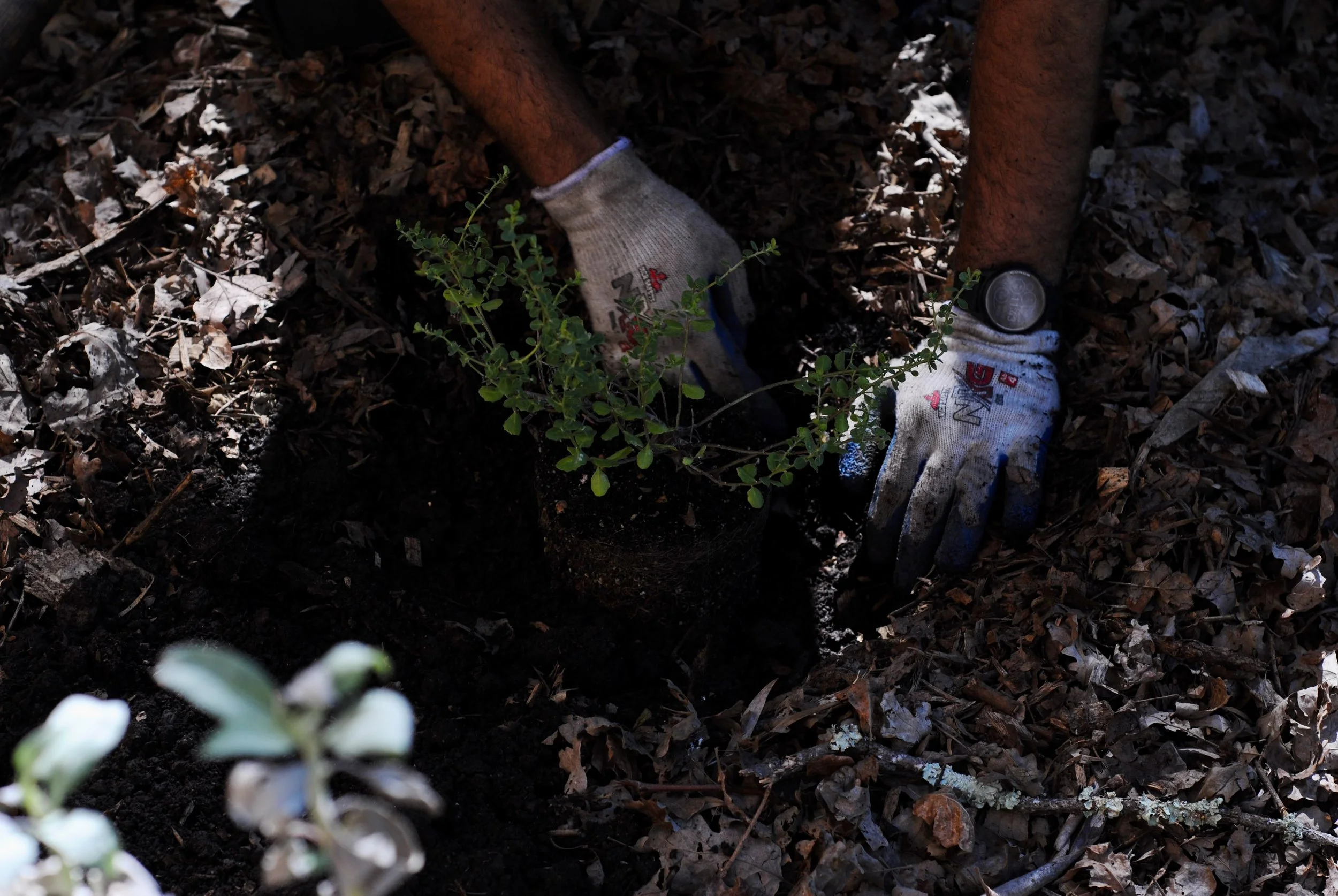
All of the contractors working with the program are local and have received training through Santa Rosa Junior College’s Fire-Wise Landscaping course, where they learn about defensible space and best practices for landscaping in fire-prone communities. The bilingual course is offered several times a year, with modules taught by restoration and environmental stewardship professionals from La Luz and Sonoma Ecology Center.
Rachael has seen firsthand how transformative even a small project can be. “We had a project where a sparse and weedy front yard lawn was replaced with an island of native vegetation and mulch,” she recalls. “Faith and I frequently drive by this property as we conduct site visits throughout the Springs, and it literally turns my head every time! The lawn has been transformed into not only a beautiful landscape, but also one that is now more water-wise and native habitat and pollinator friendly. I'm sure that this transformation will inspire others in the neighborhood to do the same.”
Faith, Sonoma Ecology Center’s GrizzlyCorps Fellow and an AmeriCorps fellow through the UC Berkeley Center for Law, Climate and the Environment, has long been interested in the relationship between people and plants. She studied Environmental Science at UCLA and has spent the past year overseeing the native plant nursery at Sonoma Garden Park, helping make locally adapted plants more accessible to Sonoma Valley residents.
“A front yard can host as many species as a nature preserve,” Faith says. “It just depends what plants you put there.”
She sees native plants as an especially powerful tool for fire resilience. “California native plants are the best choice for fire-prone landscapes because they've evolved with fire. They retain moisture better, require less water, and are adapted to fire-prone environments way better than exotic and ornamental plants which dry out,” she explains. “A home with native plants not only supports a beautiful ecosystem and all the things that rely on them, but increases resilience to fire impact and even heat—they are simply way more adapted to the climate we have.”
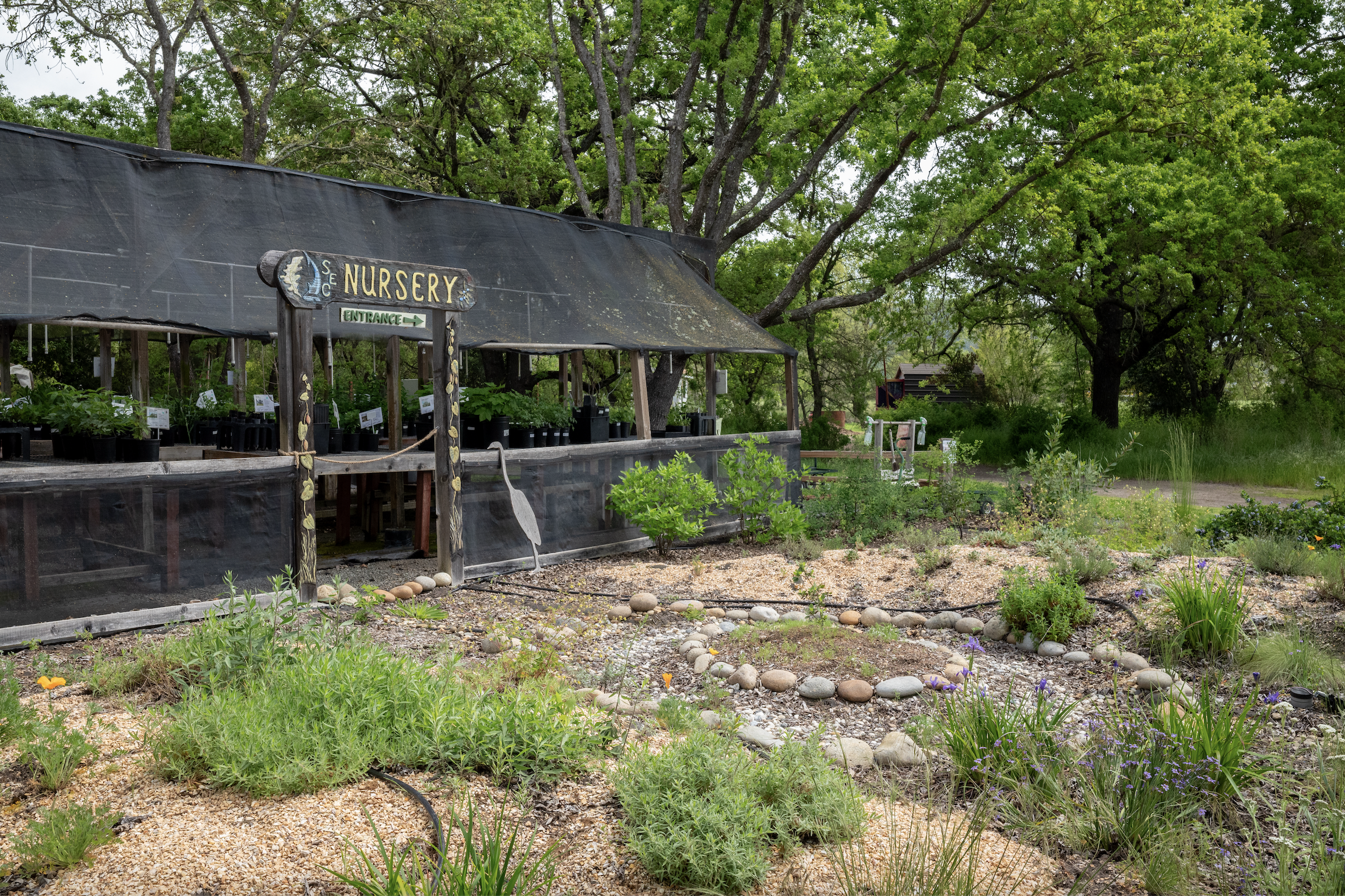
Photo courtesy of Austin Noble
The Sonoma Garden Park native plant nursery is open every Friday from 12-3pm, with additional seasonal availability, offering residents a chance to bring some of these beautiful and resilient plants home.
Another resource helping Sonoma residents rethink how they landscape for fire and climate resilience is the Resilient Landscapes Coalition (RLC), a collaboration between Sonoma Ecology Center, the UC Master Gardener Program, the Habitat Corridor Project, and Fire Safe Sonoma.
The coalition hosts workshops and events and maintains a website filled with practical information for residential and commercial landscapes. Its resources cover everything from plant selection and landscape design to seasonal maintenance, defensible space, water conservation, and habitat restoration—helping residents understand what fire-wise landscaping can actually look like in the places where we live.
These two programs share a common goal, and work done through Climate Resilient Neighborhoods program is largely informed by RLC principles and practices. Faith is especially proud of the Climate Resilient Neighborhoods cookbook. The 20-page guide translates sometimes confusing fire agency and defensible-space guidelines into practical improvements for a suburban home, covering defensible space, water conservation, seasonal maintenance, and shade and heat abatement. "It's been really rewarding to put the cookbook together and help break this down for people,” Faith says.
The RLC website and the CRN Cookbook are two resources Faith recommends every Sonoma resident take a look at to examine their own fire resiliency and preparedness. It’s important to ask how your own yard might react to a sudden fire event.
These programs are demonstrating how seemingly small landscaping choices, when multiplied across a community, can create landscapes that are safer from wildfire, support birds and pollinators, use less water, require less maintenance, sequester carbon, and contribute to a healthier and more beautiful ecosystem.